Garum Fish Sauce Revival: Ancient Umami in Your Kitchen
Ever wondered what gave ancient Roman dishes that incredible depth of flavor? The secret weapon was garum-a fermented fish sauce that Romans practically put on everything. And I mean everything. From breakfast porridge to desserts, this funky condiment was the MSG of the ancient world.
Now but: garum is more than a historical curiosity. It’s making a serious comeback in modern kitchens, and for good reason. The complex umami punch it delivers is unlike anything you’ll find in a standard grocery store fish sauce.
What Exactly Is Garum?
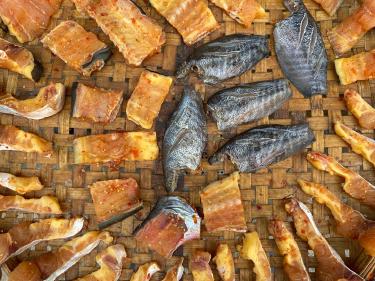
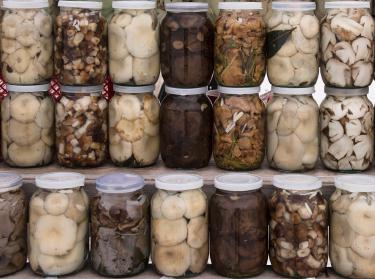
Garum was produced by fermenting fish (usually anchovies, sardines, or mackerel) with salt and sometimes herbs in large clay vessels under the Mediterranean sun. The process took weeks or even months. The liquid that separated from the fish paste was the prized garum-liquid gold to Roman taste buds.
Think of it as the great-grandfather of modern Asian fish sauces, but with a more complex flavor profile. Where Vietnamese nuoc mam or Thai nam pla tend toward a clean, salty-fishy taste, traditional garum has earthy, almost cheese-like notes layered in. Some ancient recipes added wine, herbs, or honey to create different grades and flavor variations.
The Romans were obsessed with the stuff. Pliny the Elder wrote about it. Pompeii had entire districts dedicated to its production. A single amphora of top-quality garum could cost as much as fine perfume. Working-class Romans used a cheaper version called allec, made from the leftover fish paste.
Making Garum at Home: The Patient Approach
Fair warning: authentic garum takes time. We’re talking 2-3 months minimum - but the results? Absolutely worth it.
What you’ll need:
- 2 lbs fresh small oily fish (anchovies, sardines, or mackerel)
- 1 lb coarse sea salt (not iodized-iodine kills fermentation bacteria)
- Fresh herbs (optional): oregano, coriander seeds, fennel fronds
- A large glass or ceramic container with lid
- Cheesecloth
- Patience. Lots of patience.
The process:
Start by cleaning your fish. You can leave them whole with guts intact-the enzymes in the intestines actually help break everything down. Traditionally, that’s how it was done. Squeamish? Gutting them works too, just extends fermentation time slightly.
Layer fish and salt in your container. About a 3:1 ratio of fish to salt by weight. Some people do 2:1, but more salt means safer fermentation. Add herbs between layers if you’re using them. Oregano was popular in ancient Hispania; coriander was favored in the eastern Mediterranean.
Cover loosely with cheesecloth. The mixture needs air circulation but protection from flies. Place in a warm spot-ideally somewhere that stays between 75-90°F consistently. A garage in summer works - so does a sunny windowsill.
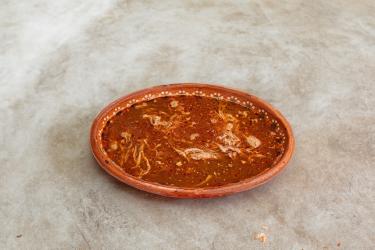
Now comes the hard part: stirring daily for the first month, then every few days after that. The fish will liquify gradually. You’ll see a golden-brown liquid forming. That’s your garum developing.
Around week 6-8, strain through multiple layers of cheesecloth. The clear amber liquid is your finished garum. Store in sterilized glass bottles - it’ll keep for years-literally. Salt content is high enough to prevent spoilage.
The Quick Method (For Impatient Cooks)
Don’t have three months to wait? There’s a faster technique that gets you pretty close.
Blend 1 lb of fresh anchovies (cleaned) with 1/2 cup sea salt. Add this mixture to 2 cups of water in a slow cooker. Cook on low for 12-24 hours, stirring occasionally. The gentle heat accelerates the enzymatic breakdown that normally takes months in the sun.
Strain carefully through cheesecloth, then through a coffee filter for extra clarity. You’ll get maybe a cup of finished product. The flavor won’t be quite as complex as the traditional method-you miss some of the bacterial fermentation notes-but it’s remarkably good for a day’s work.
Using Garum in Your Cooking
Here’s where things get fun. Garum isn’t meant to make food taste fishy. Used properly, it amplifies existing flavors and adds depth without announcing itself.
**Amounts matter. ** Start with 1/4 teaspoon per serving and adjust. You can always add more; you can’t take it back.
Where it shines:
Braised meats love garum. Add a tablespoon to your pot roast or lamb shoulder braise. The meatiness intensifies without any fish flavor coming through. Romans often paired garum with honey in meat glazes-sounds weird, tastes incredible.
Salad dressings get a serious upgrade. Mix garum with olive oil, red wine vinegar, and a touch of honey for a dressing that would’ve been right at home in ancient Rome. Drizzle over bitter greens. The combination of salt, acid, fat, and umami hits every taste receptor.
Eggs and garum are a natural pair. A few drops in scrambled eggs or an omelet adds savory complexity. Some modern chefs use it in carbonara instead of (or alongside) pecorino.
Vegetable dishes benefit hugely - roasted cauliflower with garum butter. Sautéed greens finished with a splash. Even simple steamed vegetables gain new dimensions.
Pasta sauces-particularly simple olive oil-based ones-come alive with garum. A teaspoon in aglio e olio takes it from good to memorable.
Sourcing Garum If You Don’t Make Your Own
A few producers have revived authentic garum production. Colatura di alici from Italy’s Amalfi Coast is essentially the direct descendant of Roman garum-made using nearly identical methods. It’s pricey but extraordinary.
Some Spanish producers in Catalonia have started making garum using historical recipes. Look for “garum” or “liquamen” (another Latin name for the sauce) at specialty food shops.
In a pinch, high-quality Vietnamese or Thai fish sauce works as a substitute. Red Boat brand from Vietnam is fermented longer than most commercial brands and has more complexity. It’s not garum, but it’s in the same flavor family.
A Recipe: Roman-Style Honey Glazed Pork
This dish draws from Apicius, a collection of Roman recipes compiled in the 4th or 5th century. I’ve adapted it for modern kitchens.
Ingredients:
- 2 lb pork shoulder, cut into 2-inch cubes
- 2 tablespoons garum
- 3 tablespoons honey
- 1 tablespoon red wine vinegar
- 1 teaspoon ground coriander
- 1/2 teaspoon ground cumin
- 2 tablespoons olive oil
- Fresh rosemary sprigs
Whisk together garum, honey, vinegar, and spices. Toss pork cubes in this mixture and let marinate at least 2 hours, preferably overnight.
Heat olive oil in a heavy pan or Dutch oven. Brown pork on all sides-work in batches to avoid crowding. Return all meat to the pan. Add rosemary and any remaining marinade. Cover and braise at 325°F for about 90 minutes until tender.
Uncover, increase heat to 400°F, and let the glaze caramelize for another 15-20 minutes. The finished dish should be deeply bronzed with a sticky, complex coating.
The flavor profile here hits sweet, salty, sour, and umami simultaneously. It’s nothing like modern European cooking but feels strangely familiar-probably because those same flavor principles show up in East Asian cuisines.
Why Bother With Ancient Recipes?
Look, you could just buy a bottle of Worcestershire sauce (itself a descendant of garum, by the way) and call it a day. But there’s something deeply satisfying about connecting with cooking traditions that span millennia.
Making garum forces you to slow down. To watch transformation happen gradually. To trust a process that humans have relied on for thousands of years before refrigeration existed.
And the flavor? Commercial fish sauces can’t touch it. The complexity you get from proper fermentation-the slight funk, the layered umami, the way it makes other ingredients taste more like themselves-it’s worth the wait.
Give it a try - your Roman ancestors would approve.