Black Currant Sauces: Tart-Sweet Star of Modern Cooking

Something magical happens when you cook down black currants. That intense, almost aggressive tartness mellows into something complex-fruity but not saccharine, bright but deeply flavored. If you’ve been stuck in a raspberry-or-blueberry rut, black currant sauces might just become your new obsession.
I’ll be honest: black currants aren’t the easiest fruit to find in American grocery stores. But they’re staging a comeback in 2026, showing up at farmers markets, specialty stores, and even some mainstream chains. And once you taste what they can do in a sauce? You’ll understand why European cooks have treasured them for centuries.
Why Black Currants Hit Different
Most berries play nice - strawberries are sweet. Blueberries are mild - black currants? They’ve got attitude.
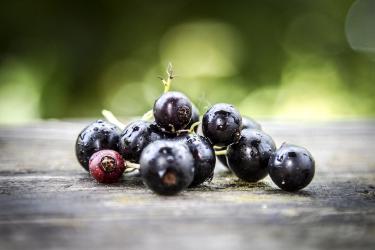
The flavor profile sits somewhere between a very tart grape and a sour cherry, with earthy undertones that remind some people of green tea. There’s a reason the French call their black currant liqueur cassis-it’s sophisticated, adult, and refuses to be ignored.
What makes black currants particularly interesting for sauces is their pectin content. They naturally thicken when cooked, so you don’t need to add cornstarch or other thickeners. Just fruit, heat, and time.
They’re also nutritional powerhouses. Four times the vitamin C of oranges, plus anthocyanins that give them that deep purple-black color. But let’s be real-you’re here for the flavor, not a health lecture.
The Basic Black Currant Sauce (Your Starting Point)
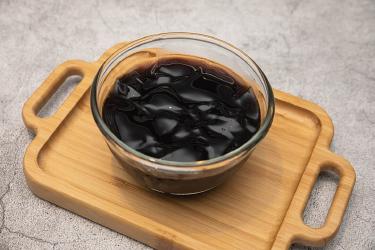
Before getting fancy, you need to master the foundation. This basic sauce takes about 15 minutes and works on everything from pork chops to vanilla ice cream.
What you’ll need:
- 2 cups fresh or frozen black currants
- 1/2 cup sugar (adjust to taste)
- 1/4 cup water
- Pinch of salt
Throw everything in a saucepan over medium heat. Stir occasionally. The currants will burst and release their juice within 5-7 minutes. Keep cooking until the mixture thickens enough to coat a spoon-about 10-12 minutes total.
That’s it - seriously.
Now here’s where personal preference comes in. Some people strain out the skins and seeds for a smooth sauce. Others like the rustic texture. I’m firmly in the rustic camp, but you do you.
The sauce keeps in the fridge for two weeks. It also freezes beautifully for up to six months.
Savory Applications That Actually Work
Black currant sauce with meat isn’t some weird fusion experiment. It’s classic French cuisine. The tartness cuts through rich, fatty proteins the same way cranberry sauce works with turkey-but with more depth and complexity.
With Duck
This is the traditional pairing, and traditions exist for a reason. Score duck breast skin in a crosshatch pattern, sear skin-side down until crispy (about 8 minutes), flip and finish for 3-4 minutes. While the duck rests, deglaze the pan with a splash of red wine, add your black currant sauce, and reduce slightly.
The fruity acidity balances the duck fat perfectly. Not revolutionary advice, but it works every single time.
With Pork
Pork tenderloin or chops both work well here. Add a tablespoon of whole grain mustard to your basic sauce and a sprig of fresh thyme. The mustard adds a subtle heat that plays off the fruit’s tartness.
The Cheese Board Wildcard
Spoon some sauce into a small dish and set it on your next cheese board. It’s spectacular with aged cheddar, blue cheese, or anything in the washed-rind category. The tart-sweet sauce bridges the gap between the savory cheeses and your crackers or bread.
Sweet Directions to Explore
Obviously black currant sauce belongs on desserts. But which desserts? And how do you tweak the base recipe?
For Cheesecake and Panna Cotta
Keep the sauce fairly thin by adding an extra 1/4 cup of water. You want it to pool and flow rather than sit in a thick blob. A teaspoon of vanilla extract added at the end complements the fruit without competing.
For Ice Cream
Make the sauce thicker than usual and serve it warm over vanilla or chocolate ice cream. The temperature contrast-warm sauce, cold ice cream-creates textural interest. Add a crack of black pepper if you’re feeling adventurous. Sounds odd, tastes incredible.
For Toast and Yogurt
Cook the sauce a bit longer until it reaches a jam-like consistency. Store in small jars. Spread on toast, swirl into Greek yogurt, or use as a filling for thumbprint cookies.
Flavor Companions Worth Trying
Black currants are assertive enough to stand up to bold additions. Here are some combinations I’ve tested:
Black Currant + Balsamic Vinegar: Add 2 tablespoons of good balsamic to your basic sauce. The vinegar’s sweetness and acidity amplify the fruit’s natural character. Perfect for drizzling over grilled vegetables or roasted beets.
Black Currant + Fresh Ginger: Grate about a tablespoon of fresh ginger into the sauce while cooking. Adds warmth and a subtle spicy kick. Excellent with Asian-inspired dishes.
Black Currant + Rosemary: Steep a sprig of rosemary in the sauce for the last few minutes of cooking, then remove. The piney, herbal notes work surprisingly well with the fruit. Try this version with lamb.
Black Currant + Dark Chocolate: Melt 2 ounces of dark chocolate (70% or higher) into warm sauce. Stir until smooth. Pour over brownies or use as a fondue-style dip for strawberries.
Where to Find Black Currants
Fresh black currants have a short season-typically late June through August, depending on your region. Frozen ones work nearly as well for sauces and are available year-round at well-stocked grocery stores or online.
Look for:
- Specialty food stores
- Eastern European or British import shops
- Farmers markets (especially in the Northeast and Pacific Northwest)
- Online retailers like iGourmet or specialty fruit suppliers
If you’re really committed, consider growing your own. Black currant bushes are relatively low-maintenance and produce fruit within 2-3 years. They were banned in the US for decades (a whole complicated story involving white pine blister rust), but restrictions have lifted in most states.
Common Mistakes and How to Avoid Them
**Adding too much sugar too early. ** Taste your sauce after cooking and add sugar gradually. Black currants vary in tartness depending on ripeness and variety.
**Overcooking until bitter. ** The skins can release tannins if cooked too aggressively. Keep heat at medium, not high.
**Using old frozen berries. ** Freezer burn ruins the flavor. If your frozen currants have been in there longer than a year, toss them.
**Expecting them to taste like other berries. ** First-timers sometimes think something’s wrong because the flavor is so different from raspberries or blueberries. Nothing’s wrong. You’re just experiencing actual black currant flavor for the first time.
A Few Final Thoughts
Black currant sauce isn’t trying to be a subtle background player. It demands attention, makes a statement, and rewards those willing to experiment. The tart-sweet balance means it crosses the savory-sweet divide effortlessly.
Start with the basic recipe. Make it once or twice until you get comfortable with how the fruit behaves. Then start playing with additions-a splash of port wine, some orange zest, a pinch of cardamom.
Once you’ve got a jar of black currant sauce in your fridge, you’ll find yourself reaching for it constantly. Spooning it over morning yogurt. Glazing pork tenderloin on a Tuesday. Drizzling it over vanilla ice cream at midnight.
That’s the real magic of mastering a good sauce. It makes ordinary meals feel a little more special, without requiring much extra effort at all.