Tteokbokki at Home: Korean Rice Cakes Three Ways
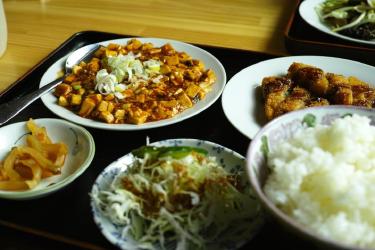
There’s something almost magical about Korean rice cakes. That impossibly chewy texture, the way they soak up whatever sauce you throw at them, the satisfying bounce when you bite down. Tteokbokki has been my go-to comfort food for years now, and I’ve probably made it a hundred different ways.
But but-most recipes online give you one version. The classic spicy one - and sure, that’s delicious. But what if you’re not in the mood for heat? Or what if you want something richer, more savory?
I’m going to walk you through three completely different takes on tteokbokki. Same chewy rice cakes, three different flavor profiles. You’ll find one that hits exactly what you’re craving.
Getting Your Rice Cakes Right
Before we get into the recipes, let’s talk about the star ingredient. Tteok (the rice cakes themselves) can make or break your dish.
Fresh tteok from a Korean market? That’s the dream. They’re soft, pliable, and cook up perfectly in minutes. Frozen tteok works great too-just soak them in room temperature water for about 30 minutes before cooking. The ones that come vacuum-sealed and shelf-stable need a bit more love. I usually soak those for a full hour.
Here’s a mistake I made early on: don’t skip the soaking step for frozen or dried rice cakes. They’ll stay hard in the center no matter how long you cook them, and you’ll end up with a frustrating, unevenly textured dish.
The shape matters less than you’d think. Cylinder-shaped tteok is traditional, but the sliced oval kind works just as well. Use what you can find.
Version One: Classic Spicy Tteokbokki
This is the one you see bubbling away at Korean street stalls. Sweet, spicy, and absolutely addictive.
What you need:
- 450g rice cakes (about 1 pound)
- 2 cups anchovy or kelp stock (or just water in a pinch)
- 3 tablespoons gochujang
- 1 tablespoon gochugaru (Korean red pepper flakes)
- 2 tablespoons sugar
- 1 tablespoon soy sauce
- 4 sheets fish cake, sliced into strips
- 2 green onions, cut into 2-inch pieces
- 2 hard-boiled eggs (optional but recommended)
How to make it:
Bring your stock to a boil in a wide pan or shallow pot. Whisk in the gochujang, gochugaru, sugar, and soy sauce until everything dissolves. Taste it. The sauce should be noticeably sweet-spicy at this stage because it’ll mellow as it reduces.
Add your soaked rice cakes and fish cakes. Keep the heat at medium-high. You want a vigorous simmer, not a gentle bubble. Stir frequently-rice cakes are sticky little things and they’ll clump together if you ignore them.
After about 8-10 minutes, the sauce will start to thicken and coat the rice cakes in a glossy red sheen. That’s when you know you’re close. Toss in the green onions for the last minute.
Serve it hot in the pan if you’re eating with friends. Drop those halved boiled eggs right on top. The yolk mixing into the spicy sauce? Incredible.
Version Two: Cream Cheese Rose Tteokbokki
This one took Korea by storm a few years back, and honestly, I was skeptical at first. Cream cheese in tteokbokki - sounds weird. Tastes amazing.
The “rose” comes from the pink color you get when mixing gochujang with cream. It’s milder than the classic version but still has that signature Korean kick.
What you need:
- 450g rice cakes
- 200ml heavy cream
- 100g cream cheese, softened
- 2 tablespoons gochujang
- 1 tablespoon butter
- 1 tablespoon sugar
- 1/2 cup milk
- Salt to taste
- 200g bacon, chopped (or spam, or neither)
- Mozzarella cheese for topping
How to make it:
Crisp up your bacon in the pan first. Set it aside but leave that rendered fat-it adds so much flavor.
In the same pan, melt the butter over medium heat. Add the cream cheese and stir until it starts to melt and get smooth. Pour in the heavy cream and milk. Whisk until everything combines into a silky sauce.
Now add the gochujang and sugar. The sauce will turn this gorgeous dusty rose color. Keep whisking. If it looks too thick, add a splash more milk.
Slide in your rice cakes - lower the heat to medium-low. This version needs gentler cooking because cream sauces can break if you push them too hard. Stir occasionally for about 10 minutes.
When the rice cakes are tender, scatter the bacon back in. Transfer to a baking dish, blanket with mozzarella, and broil for 3-4 minutes until bubbly and golden.
Is this authentic - not even close. Is it ridiculously good - absolutely.
Version Three: Gungjung Tteokbokki (Royal Court Style)
Here’s a history lesson wrapped in dinner. Before tteokbokki became the fiery street food we know today, it was a savory dish served in the royal courts of the Joseon dynasty. No gochujang - no spice. Just soy sauce, sesame, and quality ingredients.
What you need:
- 450g rice cakes
- 150g beef sirloin, sliced thin
- 1 small onion, sliced
- 1 carrot, julienned
- 4 shiitake mushrooms, sliced
- 2 green onions, cut into 2-inch pieces
- 3 tablespoons soy sauce
- 2 tablespoons sesame oil
- 1 tablespoon sugar
- 2 cloves garlic, minced
- 1 tablespoon toasted sesame seeds
- Black pepper
For the beef marinade:
- 1 tablespoon soy sauce
- 1 teaspoon sesame oil
- 1/2 teaspoon sugar
- Pinch of black pepper
How to make it:
Marinate your beef strips for at least 15 minutes. Longer is better if you have time.
Heat a tablespoon of sesame oil in a large pan over high heat. Sear the beef quickly-you want color, not grey steamed meat. Remove and set aside.
Add the remaining sesame oil to the pan. Sauté the onion, carrot, and mushrooms until they soften, about 3-4 minutes. Add the garlic for another 30 seconds.
Pour in about 3/4 cup of water along with the soy sauce and sugar. Bring to a simmer. Add the rice cakes and cook, stirring often, for 8-10 minutes.
Return the beef to the pan along with the green onions. Toss everything together for another minute. The sauce should lightly glaze everything without being soupy.
Finish with sesame seeds and a crack of black pepper.
This version is subtler - more elegant. The kind of thing you’d serve when you want to impress someone without setting their mouth on fire.
Tips That Apply to All Three
Let’s cover some universal truths about making good tteokbokki.
**Don’t overcook the rice cakes. ** They go from perfectly chewy to mushy fast. Start checking at the 7-minute mark. When they’re soft enough to easily bite through but still have bounce, you’re done.
**Work fast once the sauce thickens. ** Unlike pasta, you can’t really save overcooked tteokbokki. The rice cakes will keep absorbing liquid and eventually turn into a gluey mess.
**Leftovers need special treatment. ** The rice cakes harden as they cool-it’s just what happens. To reheat, add a splash of water or stock and warm them gently over medium heat. They’ll soften back up.
**The sauce is forgiving - ** Too sweet? Add more gochujang or a splash of vinegar. Too spicy? More sugar and a drizzle of honey. Too salty - more liquid and sugar. Taste as you go.
Which Version Should You Try First?
Depends on your mood, really.
Want something that warms you from the inside out? Classic spicy. Craving comfort food that feels a little indulgent? Rose cream cheese. Looking to impress someone or try something different? Royal court style.
Or just make all three over the course of a week. That’s what I did when I was perfecting these recipes, and I have zero regrets.
Tteokbokki is one of those dishes that rewards experimentation. Once you get the basic technique down-sauce, rice cakes, don’t overcook-you can riff endlessly. Add ramen noodles to the spicy version. Throw some mushrooms into the cream sauce. Experiment with different proteins in the royal style.
The rice cakes don’t judge. They just soak up whatever delicious thing you’ve cooked up and give you that satisfying chew in return.