Garum Revival: Ancient Roman Fish Sauce for Modern Kitchens
Ever wondered what gave those ancient Roman gladiators their flavor kick? Turns out, they were obsessed with a pungent, amber-colored liquid made from rotting fish guts. Sounds gross, right? But but-garum was basically the ketchup of the Roman Empire. And it’s making a comeback.
I first stumbled across garum while reading about Pompeii. The city had entire districts dedicated to producing this stuff. Factory-scale operations. Fish heads, intestines, and blood fermenting in giant vats under the Mediterranean sun for months. The smell was so intense that production facilities were banned from city centers.
Yet wealthy Romans couldn’t get enough of it.
What Exactly Is Garum?
Garum is fermented fish sauce - that’s the simple answer. The more interesting answer involves salt, time, enzymes, and a whole lot of patience.
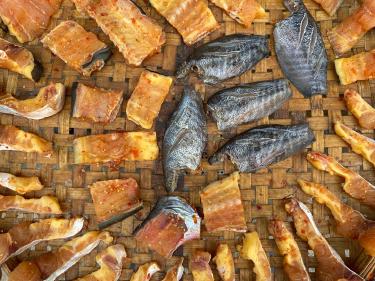
The basic process goes like this: small oily fish (anchovies, sardines, mackerel) get mixed with coarse sea salt at roughly a 3:1 fish-to-salt ratio. Sometimes producers added herbs-oregano, coriander, fennel. The mixture sat in large terracotta vessels under direct sunlight. Workers stirred it daily. Over 2-3 months, enzymes from the fish guts broke down proteins into amino acids.
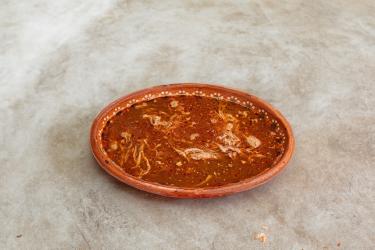
The result? A thin, golden-brown liquid packed with glutamates-the compounds responsible for umami, that savory “fifth taste” that makes food taste deeply satisfying.
Romans used garum like we use Worcestershire sauce, soy sauce, and fish sauce combined. They drizzled it on everything - roasted meats. Vegetables - fruit. Even desserts. The cookbook attributed to Apicius, dating from the 4th or 5th century, mentions garum in nearly every recipe.
Why Should You Care About 2000-Year-Old Fish Juice?
Fair question. Here’s my take: garum represents something we’ve largely lost in modern cooking. Depth - complexity. That hard-to-define “something” that makes restaurant food taste better than home cooking.
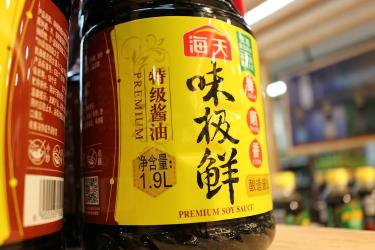
Modern fish sauces exist, sure. Vietnamese nuoc mam and Thai nam pla are close relatives. But they’re typically fermented for shorter periods and filtered differently. Garum-especially traditional Roman garum-had a more complex flavor profile. Think less fishy, more earthy and nutty.
Chefs at high-end restaurants have caught on. Noma in Copenhagen makes their own garum from beef, grasshoppers, and even rose petals (more on that later). The technique has expanded beyond fish entirely.
But you don’t need a Michelin star to experiment with this ancient condiment.
Making Garum at Home: A Realistic Guide
Let me be straight with you. Traditional garum takes months and produces odors that will make your neighbors hate you. Unless you’ve got a dedicated outdoor space and very understanding family members, I’d recommend a modified approach.
The Quick Method (3-4 weeks)
You’ll need:
- 1 lb fresh anchovies or sardines (heads and guts included-this is important)
- 4 oz coarse sea salt
- Fresh herbs (optional): oregano, thyme, celery leaves
- A glass jar with loose-fitting lid
- Patience and a strong stomach
Chop the fish roughly. Mix with salt and any herbs. Pack into your jar, leaving some headspace. Cover loosely-gases need to escape. Place in a warm spot (around 85°F is ideal) or use a food dehydrator set to low.
Stir daily - the mixture will liquefy gradually. After 3-4 weeks, strain through cheesecloth. What drips through is your garum. The remaining solids? That’s called allec, and Romans used it as a cheap spread for bread.
The Cheater Method (2 days)
Okay, maybe you’re not ready for the full fermentation experience. No judgment.
- 2 cans anchovy fillets in oil
- 1 cup Asian fish sauce
- 2 tablespoons white wine
- 1 teaspoon dried oregano
Blend everything until smooth. Let it sit in the fridge for 48 hours so flavors meld. Strain if you want it clearer. This won’t have the complexity of true garum, but it’s a decent starting point.
Cooking with Your Liquid Gold
So you’ve got garum - now what?
Start subtle - this stuff is potent. A few drops can transform a dish. Too much will make it taste like a fish market dumpster.
Salad dressings: Replace some of the salt with garum. Mix with olive oil, lemon juice, and honey for something close to what Romans actually ate. Trust me on the honey-it cuts the fishiness beautifully.
Pasta sauces: Add a teaspoon to your bolognese in the last 5 minutes of cooking. The fish flavor disappears, but everything else gets richer.
Roasted vegetables: Toss carrots or Brussels sprouts with olive oil and a drizzle of garum before roasting. The caramelization hides any fishiness while amplifying the savory notes.
Grilled meats: Mix garum with honey and brush onto lamb chops or chicken thighs. This is basically what Apicius recommended, and the guy knew his stuff.
Eggs: A few drops in scrambled eggs sounds weird. Try it anyway - the eggs taste more… eggy somehow.
The Modern Garum Renaissance
Remember when I mentioned Noma making garum from grasshoppers? That’s not a joke. Fermentation nerds have realized garum is really just a technique-high-salt, enzyme-driven protein breakdown-that works on almost anything containing protein.
Beef garum exists - so does chicken wing garum. Mushroom garum for vegetarians. Even bread garum, which sounds bizarre but apparently tastes like marmite’s sophisticated cousin.
The process remains similar: protein source plus salt plus time plus warmth. Enzymes do the heavy lifting. What emerges is concentrated umami in liquid form.
Some producers have started selling commercial garum again. Brands like Colatura di Alici from Italy’s Amalfi Coast offer a direct descendant of Roman garum. It’s made from anchovies fermented in wooden barrels for up to three years. Not cheap-expect $30-40 for a small bottle-but a little goes a long way.
A Word of Caution
Fermentation can go wrong - badly wrong. If your homemade garum develops mold (other than the white surface layer that’s sometimes normal), smells rotten rather than funky, or makes you gag uncontrollably-throw it out. True garum should smell intense but not putrid. There’s a difference.
Also, the salt content in garum is significant. We’re talking around 20-25% salinity in traditional preparations. If you’re watching sodium intake, use sparingly and reduce salt elsewhere in your cooking.
Worth the Effort?
Honestly? For most home cooks, buying quality Asian fish sauce or Italian colatura makes more sense than DIY fermentation projects. You’ll get 80% of the flavor with 5% of the effort.
But if you’re the type who makes their own sourdough, cures their own bacon, and thinks weekend projects should involve controlled decomposition-garum might be your next obsession.
There’s something satisfying about connecting with how humans ate thousands of years ago. Tasting a sauce that Roman emperors drizzled on their dormice (yes, they ate those). Using techniques that predate refrigeration, pasteurization, and pretty much everything we consider modern food safety.
The Romans were onto something. They understood umami centuries before Japanese scientists gave it a name. They knew that controlled rot could create flavors impossible to achieve any other way.
Maybe it’s time we paid attention.