Smashed Burger Secrets: Achieve Perfect Crispy Edges
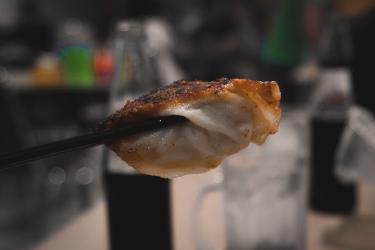
There’s something almost magical about biting into a smashed burger. That shattering crunch of the crust giving way to juicy, beefy goodness underneath. You know the one I’m talking about-the kind you get at your favorite burger joint that somehow tastes better than anything you’ve managed at home.
but: you can absolutely nail this at home. And it’s not nearly as complicated as you might think.
Why Smashing Actually Works
Traditional burger wisdom says don’t press your patties. You’ll squeeze out all the juice! And for thick pub-style burgers, that’s true. But smashed burgers play by different rules entirely.
When you smash a ball of beef against a screaming hot surface, you’re maximizing contact between meat and metal. More contact means more Maillard reaction-that’s the fancy term for what happens when proteins and sugars transform into hundreds of flavor compounds. Brown equals flavor - period.
The thin patty also means the whole thing cooks in about 2-3 minutes total. There’s simply not enough time for moisture to escape the way it would from a thick burger sitting on the grill for 10 minutes.
Getting Your Setup Right
You don’t need a commercial flat-top griddle, though if you’ve got one, lucky you. A cast iron skillet works beautifully. A carbon steel pan? Even better-it heats faster and weighs less.
Whatever you use, it needs to be HOT. I’m talking smoking hot. The kind of hot where you question whether this is a good idea. That’s the sweet spot.
For the smashing tool, you’ve got options:
- A sturdy metal spatula (my go-to)
- A dedicated burger press
- The bottom of another heavy pan
- A clean brick wrapped in foil
I’ve used all of these - they all work. The metal spatula wins for convenience since you need it anyway for flipping.
One thing that makes a real difference: parchment paper or a piece of plastic wrap between your smasher and the meat. Prevents sticking and gives you a cleaner smash. Some folks skip this, but I find it helps especially with fattier beef blends.
The Meat Matters
Lean ground beef is the enemy here. You want fat. Fat means flavor, and fat means that crust won’t turn into cardboard.
80/20 ground chuck is the standard recommendation for good reason. It’s got enough fat to stay juicy and create those lacy, crispy edges without being so fatty that your pan becomes a grease fire hazard.
Some burger obsessives go even further-75/25 or custom blends with brisket and short rib mixed in. All great options if your butcher offers them. But honestly? Regular 80/20 from the grocery store makes an excellent smashed burger. Don’t overthink it.
One thing you should NOT do: buy pre-formed patties. You need loose ground beef that you can roll into balls. The smashing has to happen raw, not after the meat’s already been pressed into shape.
The Actual Technique
Alright, let’s make some burgers.
Divide your beef into balls-about 2-3 ounces each for doubles (two patties per burger) or 4 ounces for singles. Roll them loosely - don’t pack them tight.
Get your pan ripping hot over high heat. Add just a tiny bit of oil with a high smoke point-avocado or vegetable works well. Wipe out the excess with a paper towel held in tongs.
Drop a ball of beef onto the surface and immediately press down hard. I mean really lean into it. You want that patty thin-maybe 1/4 inch or even less. The edges should be ragged and uneven. That’s where the magic happens, in those thin irregular spots that get extra crispy.
Here’s where most home cooks mess up: they flip too soon. Leave it alone. Let it cook for about 90 seconds to 2 minutes. You’ll see the edges starting to brown and crisp. The patty will release from the pan when it’s ready-if you’re fighting it, it needs more time.
Season generously with salt and pepper right after smashing. Some people salt before, but I find post-smash seasoning sticks better and doesn’t draw moisture out of the raw meat.
Flip it once. Add your cheese if you’re using it-American melts best, fight me on this-and let it cook another 30-45 seconds. That’s it. Don’t walk away to grab buns or check your phone. This goes fast.
Building the Burger
The bun situation matters more than most people realize. You want something soft that compresses without falling apart. Martin’s potato rolls are the gold standard for a reason. Brioche works too, though it’s richer than necessary.
Toast your buns - please. Just 30 seconds face-down in the pan after you pull the patties. The contrast between crispy bun and juicy meat is part of the experience.
For toppings, less is more. A smashed burger isn’t the place for a tower of lettuce, tomato, and seventeen sauces. Classic combo: American cheese, pickles, raw onion, maybe some special sauce (which is basically mayo, ketchup, and relish mixed together-nothing fancy).
Stack doubles cheese-to-cheese so they melt together. This creates a protective layer that keeps bun-sogginess at bay.
Common Mistakes to Avoid
**Not getting the pan hot enough. ** This is mistake number one. If your beef doesn’t sizzle aggressively when it hits the surface, your pan isn’t ready. Wait longer.
**Using too much meat per patty. ** Thicker isn’t better here. A 3-ounce ball smashed thin beats a 6-ounce ball every time for this style.
**Smashing multiple times - ** One smash. That’s it. Repeated pressing after the initial smash just squeezes out juice for no benefit.
**Crowding the pan. ** Unless you’ve got a large griddle, do two patties max at a time in a 12-inch skillet. They need space and consistent heat.
**Forgetting about carryover cooking. ** These thin patties don’t have much thermal mass, so carryover isn’t huge, but they will continue cooking for 30 seconds after you pull them. Account for that if you’re particular about doneness.
A Few Final Tips
Open your windows and turn on your vent hood. Smashed burgers generate smoke - a lot of smoke. This is normal and unavoidable if you’re doing it right.
Make more than you think you need. These cook so fast and taste so good that everyone ends up wanting seconds. A double smashburger with two thin patties is still probably less beef than one thick restaurant burger.
Don’t save these for special occasions. Once you’ve got the technique down, you can have restaurant-quality smashed burgers on a Tuesday night in under 15 minutes. It becomes your new default way to make burgers.
And look, if your first attempt isn’t perfect? They’re still gonna taste good. Ground beef, salt, heat, cheese-it’s pretty hard to mess up badly enough that it’s not worth eating. The crust will get better with practice. The timing will become instinct.
Now go smash some burgers.