GLP-1 Friendly Meal Planning: High Protein Small Portions
So you’ve started a GLP-1 medication like Ozempic, Wegovy, or Mounjaro, and suddenly your entire relationship with food has changed. That appetite you used to have? Gone. Those portion sizes that seemed normal? Way too big now - and protein? Your body needs more of it than ever, but fitting it in feels like solving a puzzle.
I get it - the shift can feel jarring.
but about GLP-1 medications: they work partly by slowing gastric emptying and reducing appetite. Great for weight loss. Not so great when you’re staring at a plate of food wondering how you’ll possibly finish it-or worse, when you realize you’ve barely eaten 40 grams of protein by dinnertime.
Why Protein Matters More Now
When you’re losing weight on GLP-1 medications, your body doesn’t just burn fat. It can also break down muscle if you’re not careful. Studies suggest that up to 25-40% of weight lost can come from lean muscle mass without adequate protein intake and resistance training.
That’s a problem.
Muscle keeps your metabolism humming along. It helps you stay strong, maintain balance, and keeps your body functioning well as you age. Losing too much of it defeats part of the purpose of getting healthier in the first place.
Most experts recommend people on GLP-1 medications aim for 1. 0 to 1. 2 grams of protein per kilogram of body weight daily. For a 180-pound person, that’s roughly 80-100 grams of protein every day. And when your appetite has shrunk to the size of a golf ball? That takes strategy.
The Golden Rules for GLP-1 Meal Planning
Before we get into actual meals, let’s talk principles. These will serve you better than any specific recipe.
**Protein first, always. ** Every single time you eat, start with the protein. Your stomach has limited real estate now, so make it count. If you fill up on bread or rice before touching your chicken, you’ve wasted precious stomach space.
**Small plates, multiple times. ** Three big meals probably aren’t happening for you anymore. And that’s fine. Four or five smaller protein-focused eating occasions work better for most people on these medications.
**Density over volume. ** A cup of Greek yogurt packs 15-20 grams of protein into a small package. A cup of regular yogurt - maybe 5 grams. Choose foods that deliver maximum protein per bite.
**Texture matters more than you think. ** Many people on GLP-1s find certain textures harder to tolerate-dry chicken, tough steak, anything too heavy. Moist, tender preparations go down easier.
Breakfast Ideas That Actually Work
Morning can be tricky. Some people wake up with zero appetite. Others find it’s their best eating window before the medication really kicks in.
Egg bites (make ahead): Whisk 6 eggs with 1/2 cup cottage cheese, pour into a greased muffin tin, add whatever mix-ins you like-cheese, spinach, crumbled bacon-and bake at 350°F for 20-25 minutes. Each bite gives you about 7 grams of protein, and they reheat beautifully.
Greek yogurt parfait (simplified): Skip the granola-it just takes up room. Do 3/4 cup plain Greek yogurt, a sprinkle of nuts, and some berries. That’s 18-20 grams of protein in maybe half a cup of food.
Cottage cheese bowl: I know, cottage cheese gets a bad rap. But 1/2 cup of 4% cottage cheese delivers 14 grams of protein and tastes genuinely good with everything bagel seasoning or a drizzle of honey.
The smoothie exception: Normally I’d say chew your calories. But a well-made protein smoothie can work if solid food feels impossible in the morning. Blend: 1 scoop protein powder (25g), 1/2 cup Greek yogurt (10g), milk or water, and a handful of frozen fruit. Sip it slowly over an hour if needed.
Lunch: Quick and Protein-Dense
Midday eating should be efficient. You’ve probably got things to do, and your appetite might already be fading.
Deli meat roll-ups: Layer 3-4 ounces of quality deli turkey or roast beef with a slice of cheese and some mustard. Roll them up - done. About 25 grams of protein, minimal prep, easy to eat.
Tuna or chicken salad (no bread): Mix a can of tuna or 4 oz shredded chicken with a tablespoon of mayo, some diced celery, salt and pepper. Eat it with a fork or scoop it onto cucumber slices. The bread adds bulk without protein.
Edamame: A cup of shelled edamame has 18 grams of protein and requires zero cooking. Keep bags of frozen edamame in your freezer. Microwave for 3 minutes, sprinkle with salt.
Bone broth with an egg: This one sounds weird but works beautifully. Heat a cup of bone broth (10g protein), whisk an egg, drizzle it into the simmering broth while stirring. You get egg ribbons in a savory, protein-rich soup that goes down easily even on low-appetite days.
Dinner When You’re Not That Hungry
By evening, many people on GLP-1 medications hit a wall. The thought of a full dinner feels overwhelming. So we adapt.
Shrimp: Here’s why shrimp is your friend-4 ounces has 24 grams of protein but feels light. Sauté in garlic butter for 3 minutes. Add a small handful of spinach if you can manage it.
Slow cooker chicken thighs: Chicken breast gets dry and tough. Thighs stay moist and tender, which matters when your tolerance for dense textures has decreased. Season bone-in thighs, throw them in the slow cooker on low for 6 hours. The meat falls off the bone.
Fish in parchment: Place a 5 oz piece of salmon or white fish on parchment paper. Add lemon, herbs, a drizzle of olive oil. Fold the parchment into a packet, bake at 400°F for 12-15 minutes. The steam keeps everything moist and digestible.
Scrambled eggs for dinner: There’s no rule saying eggs are only for breakfast. Two or three eggs scrambled with cheese gives you 18-22 grams of protein and takes five minutes. Sometimes simple wins.
Snacks That Earn Their Keep
Snacking on GLP-1 medications requires intentionality. You don’t have room for empty calories.
String cheese: 7 grams of protein, portable, requires no preparation.
Jerky: Look for brands with 10+ grams of protein per serving and lower sodium if you’re watching that. Beef, turkey, salmon-all work.
Hard-boiled eggs: Prep a batch on Sunday. Each egg delivers 6 grams of protein.
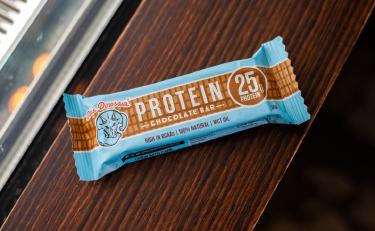
Protein bars (choose wisely): Some taste like candy and act like it nutritionally. Look for bars with at least 15 grams of protein, under 5 grams of sugar, and ingredients you recognize. Built Bars and Quest do decent versions.
What About Carbs and Fat?
I’m not telling you to eliminate carbs or fat. Both have their place. But when your stomach capacity has shrunk dramatically, priorities shift.
If you’re going to eat carbs, make them count. Choose fiber-rich options like berries, beans, or a small portion of whole grains. Skip the white bread, crackers, and chips that fill you up without providing much nutrition.
Fats help with satiety and nutrient absorption. But fat is calorie-dense-9 calories per gram versus 4 for protein or carbs. A tablespoon of olive oil or a quarter of an avocado adds nutrition without overwhelming your limited stomach space.
The Hydration Factor
People on GLP-1 medications sometimes struggle with hydration because they forget to drink or feel too full. But dehydration causes constipation, which is already a common side effect of these medications.
Sip water throughout the day. Don’t chug large amounts at once-your stomach can’t handle it. Some people find they tolerate water better at room temperature or with a squeeze of lemon.
Aim for at least 64 ounces daily, more if you’re active or live somewhere hot.
Making It Sustainable
Here’s what nobody tells you: this way of eating gets easier. Your body adjusts. You learn what works for you specifically-which proteins you tolerate best, which eating windows feel natural, how to pack protein into small volumes.
Track your protein for a week or two. Just protein, nothing else. Most people are surprised to discover how short they fall. Once you know your patterns, you can fix them.
And give yourself grace. Some days you’ll nail your protein targets. Other days, nausea or low appetite will win. That’s okay. This is a long game, not a single day.
The goal isn’t perfection. It’s consistently giving your body the protein it needs to maintain muscle while these powerful medications help you lose fat. Small portions, high protein, strategic timing.
You’ve got this.