Caviar at Home: Affordable Luxury Pairings for Beginners
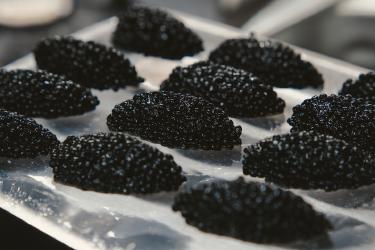
You’ve probably scrolled past those glossy food photos on Instagram-tiny mother-of-pearl spoons balanced on crackers, glistening black pearls catching the light. Caviar looks impossibly fancy, right? Like something reserved for yacht parties or old money gatherings in European castles.
But but: you can absolutely enjoy caviar at home without draining your savings account. And honestly? It’s way less intimidating than you’d think.
What Even Is Caviar (And Why Does Price Vary So Much?)
Let’s clear something up first. True caviar comes from sturgeon-those prehistoric-looking fish that have been swimming around since dinosaurs roamed. The most famous (and expensive) varieties like Beluga, Osetra, and Sevruga come from sturgeon in the Caspian Sea region.
A 30-gram tin of premium Beluga can run you $200 or more. Yep.
But here’s what the luxury marketing doesn’t tell you: American-farmed sturgeon caviar tastes incredible and costs a fraction of that price. We’re talking $40-60 for the same amount. Paddlefish caviar, salmon roe, and trout roe offer even more budget-friendly options-often under $30 for a generous portion.
Are they identical to $500-per-ounce Beluga? No. Are they delicious, luxurious, and perfect for a special dinner at home? Absolutely.
Starting Your Caviar Journey: Best Options for Beginners
If you’ve never bought caviar before, walking into a specialty store or browsing online can feel overwhelming. Too many options, weird names, confusing grades.
Here’s my recommendation for first-timers:
American Hackleback caviar sits in that sweet spot of affordable yet genuinely impressive. It’s got a mild, nutty flavor that won’t overwhelm your palate. Expect to pay around $45-55 per ounce from reputable suppliers like Marky’s, Petrossian, or Kelley’s Katch.
Salmon roe (ikura) offers a completely different experience-those big, orange-red orbs pop in your mouth with briny, slightly sweet flavor. At $15-25 per ounce, it’s seriously approachable. You’ll find it at most Asian grocery stores or Whole Foods.
Trout roe is even gentler on the wallet and has smaller, more delicate pearls. Perfect if you’re not sure you’ll love the whole caviar thing yet.
One warning: avoid anything labeled “lumpfish caviar” or sitting on a regular grocery store shelf for $6. That stuff is dyed, heavily processed, and will give you completely the wrong impression of what good roe tastes like.
The Pairing Fundamentals: What Actually Works
Traditional caviar service involves blinis (tiny Russian pancakes), crème fraîche, and maybe some chives. That combo works beautifully because the fatty, tangy cream balances the salt while the soft blini provides neutral cushioning.
But you don’t need to track down blinis at a specialty shop.
**Simple crackers work great. ** Look for water crackers, table water biscuits, or even plain Triscuits in a pinch. You want something with minimal flavor that won’t compete with your expensive little fish eggs.
Warm toast points are classic for a reason. Cut good bread into triangles, brush with melted butter, toast until barely golden. The warmth actually helps release the caviar’s aroma.
Potato chips-hear me out-make a surprisingly perfect vehicle. Get the kettle-cooked kind with ridges. The salt-on-salt situation sounds like overkill, but the crunch and the pop create this textural thing that’s honestly addictive. A-list chefs serve caviar on chips at their fancy restaurants. It’s a thing.
Eggs in any form complement caviar beautifully. Soft-scrambled eggs topped with a spoonful of roe? Deviled eggs with a caviar crown? Eggs Benedict with caviar instead of hollandaise? All winners.
Building a Caviar Spread Without Going Broke
Say you want to impress guests at a dinner party. Here’s how I’d structure a caviar-forward appetizer spread for six people without spending more than $80 total:
The star: One 2-ounce tin of American sturgeon or paddlefish caviar ($50-60). This is your centerpiece.
The supporting cast:
- 4 ounces of salmon roe ($12-15)
- One container of crème fraîche or sour cream ($5)
- A baguette for toast points ($3)
- A bunch of chives ($2)
- Six eggs for deviled eggs or soft scrambles ($3)
Arrange everything on a large wooden board or slate. Put the caviar tin on a small dish of crushed ice (it needs to stay cold). Scatter the other elements around it. Add some lemon wedges-that brightness cuts through the richness.
The key is letting guests build their own bites. Some people want pure caviar on a cracker. Others load up on cream and chives. Everyone gets to experiment.
What to Drink: Skip the Champagne Cliché
Yes, champagne and caviar is a classic pairing. The bubbles and acidity work well with the salt and fat.
But you know what works even better? Vodka.
I’m not talking about shots. Get a decent bottle (Tito’s, Ketel One, whatever you like), throw it in the freezer for a few hours, and serve tiny pours in small glasses alongside the caviar. The cold, clean vodka resets your palate between bites. Russians have been doing this for centuries. They know what’s up.
If you don’t do spirits, a crisp Muscadet or Chablis accomplishes similar things. Dry, mineral, unoaked. Nothing sweet or heavily oaked-that’ll clash hard.
Beer works too. A cold, clean pilsner or even a dry sparkling sake.
Storing and Serving: The Rules That Actually Matter
Caviar is perishable - like, seriously perishable.
Keep it in the coldest part of your fridge (usually the back, bottom shelf). Unopened, most caviar lasts 4-6 weeks. Once you crack that tin - you’ve got 2-3 days max.
**Never freeze caviar. ** The eggs will burst and you’ll end up with expensive mush.
**Serve it cold but not frozen. ** Nest the tin in crushed ice about 15 minutes before guests arrive.
**Use non-metallic utensils. ** Metal can give caviar a weird taste. Mother-of-pearl spoons are traditional (and you can find cheap ones online), but bone, wood, or even plastic work fine.
And please-never cook caviar. The heat destroys those delicate eggs. Add it as a finishing touch to warm dishes, but keep the actual pearls raw.
Your First Caviar Night: A Realistic Plan
Pick a Friday or Saturday when you don’t have anywhere to be. Order your caviar early in the week so it arrives fresh with cold packs. Grab the accompaniments from your regular grocery store.
That evening, set everything up simply. No need for complicated recipes or elaborate presentations. Crackers - cream. Maybe those deviled eggs. A cold bottle of something to drink.
Taste the caviar plain first-just a small amount on a cracker with nothing else. Let the eggs sit on your tongue for a moment before gently pressing them against the roof of your mouth. Notice the texture, the brininess, the finish.
Then start experimenting with toppings and combinations. Figure out what you like.
The whole experience should feel like a treat, not a stressful performance. You’re eating fish eggs on crackers at your kitchen counter. Keep that perspective.
Will it be as glamorous as a five-star restaurant? Probably not. Will it be satisfying, delicious, and way more affordable? Definitely.
And next time you see those Instagram posts with the fancy spoons and the dramatic lighting, you’ll know the truth: this is something anyone can pull off at home. You just need a tin, some crackers, and the willingness to try something new.