Garum: The Ancient Roman Condiment
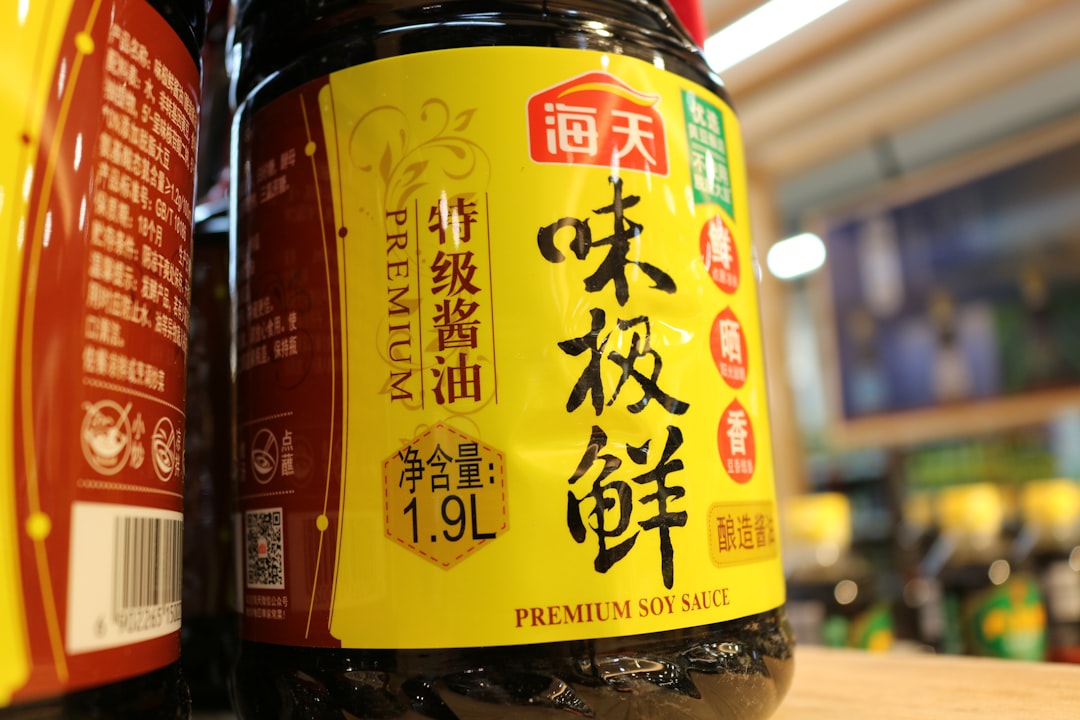
You know that bottle of fish sauce lurking in the back of your pantry? The one you bought for a single pad thai recipe and haven’t touched since? Turns out, you’re carrying on a tradition that’s roughly 2,000 years old.
Garum was the ketchup of ancient Rome. Actually, that’s underselling it - romans put garum on everything. Breakfast porridge - garum. Roasted meat - garum. Fruit and honey desserts - you guessed it-garum.
What Exactly Was Garum?
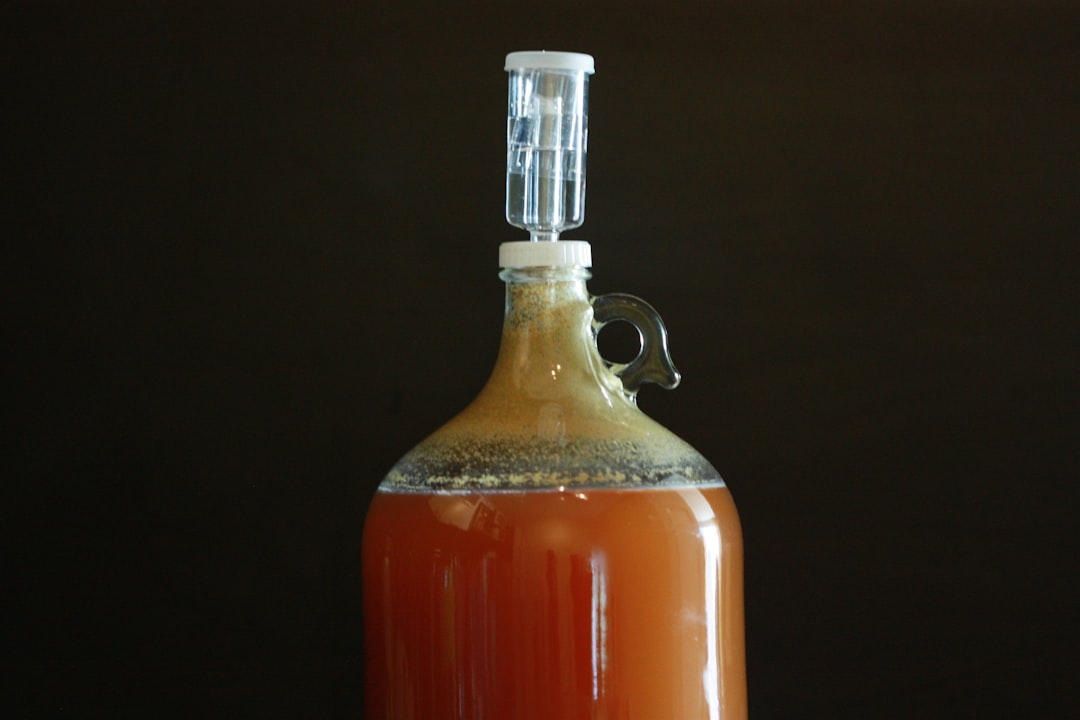
At its core, garum was fermented fish sauce. Romans would take whole small fish (anchovies were popular) or the guts of larger fish, layer them with salt in large clay vessels,. Let the Mediterranean sun do its work. Over weeks or months, enzymes broke down the fish into a pungent, amber liquid packed with glutamates-the compounds responsible for umami flavor.
The process sounds gross - i won’t pretend otherwise. Fish intestines rotting in the sun for three months isn’t exactly appetizing imagery. But the end result? Pure concentrated savory goodness that made bland grain-based Roman diets actually taste like something.
Different grades existed. The finest garum, called garum sociorum, came from specific regions in Spain and could cost more than expensive perfumes. Working-class Romans used allec, the chunky leftover sediment-think of it as the pulp versus premium orange juice. Still tasty, just less refined.
Why Romans Were Obsessed
but about Roman cuisine: it was built around grain. Porridge, bread, more porridge - meat was expensive. Fresh vegetables had short seasons. Salt preserved food but didn’t make it exciting.
Garum solved the flavor problem.
One splash transformed bland wheat porridge into something savory and complex. It added depth to simple vegetable dishes. It enhanced meat without requiring expensive spices from distant trade routes. The Roman cookbook Apicius mentions garum in nearly every recipe-and that’s not an exaggeration. Fish sauce appears more frequently than salt.
But there’s another reason garum dominated Roman kitchens: preservation. In a world without refrigeration, fermented fish sauce lasted indefinitely. You could transport it across the empire. Soldiers carried it in their rations. Merchants shipped amphorae full of it from production centers in Spain, North Africa, and the Black Sea coast.
The Production Process (Fair Warning: It’s Pungent)
Roman garum factories were never located inside cities. There’s a reason for that.
The basic method went like this:
- Whole small fish or fish entrails were layered with coarse salt in large stone or clay vats
- The mixture sat in direct sunlight, stirred occasionally over several months
- Liquid gradually separated from solids as enzymatic breakdown occurred
- Workers strained the final product through baskets, collecting the clear liquid
Archaeologists have found garum production facilities throughout the Mediterranean. The ruins at Pompeii include several, complete with the large vats where fermentation happened. Analysis of residue from these containers confirms the fish species used and the surprisingly sophisticated quality control Romans employed.
Some producers added wine, vinegar, or herbs to create specialty varieties. Oenogarum mixed garum with wine - Oxygarum combined it with vinegar. Regional variations existed too-Spanish garum had different flavor profiles than products from the Greek islands.
Making Garum at Home (A Modern Approach)
Look, I’m not going to suggest you ferment fish guts on your apartment balcony for three months. Your neighbors will hate you. Local health departments might have questions.
But you can approximate ancient garum using modern shortcuts.
Quick Garum-Style Sauce:
- 1/4 cup high-quality fish sauce (Vietnamese or Thai brands work well)
- 2 tablespoons red wine, reduced by half
- 1/2 teaspoon honey
- Pinch of dried oregano
Combine ingredients and let sit for 24 hours. The result won’t be identical to Roman garum, but it captures the basic flavor profile-salty, savory, slightly sweet, with wine undertones.
Anchovy Paste Method: Some food historians suggest mashing anchovy paste with wine and a touch of fish sauce. The anchovy provides that fermented fish funk while being much more accessible than authentic production methods.
If you’re truly adventurous, small-scale fermentation is possible. Food scientist and historian Sally Grainger has published extensively on recreating historical garum using controlled fermentation. Her methods involve salted anchovies in sealed containers at warm temperatures for several months. The results apparently come very close to what Romans experienced.
How to Use It
Romans weren’t subtle. They used garum the way some people use hot sauce-on basically everything.
But if you’re introducing fermented fish flavors to your cooking more gradually, start here:
**Salad dressings. ** Replace some of the salt in vinaigrettes with fish sauce or garum. The umami rounds out acidity beautifully.
**Braised meats. ** Add a splash during cooking. It intensifies meatiness without tasting fishy.
**Roasted vegetables. ** Drizzle on cauliflower, broccoli, or root vegetables before roasting. Trust me on this one.
**Grain dishes. ** Remember, this was garum’s original purpose. A bit in rice, farro, or polenta adds surprising depth.
**Eggs. ** Romans ate eggs with garum regularly. Try a few drops in scrambled eggs or on a fried egg.
The key is restraint-at first. Start with less than you think you need. You can always add more, but you can’t take it back.
The Modern Umami Connection
Garum essentially disappeared from European cuisine after the Roman Empire fell. But the concept never died.
Asian fish sauces carried the tradition forward. Vietnamese nuoc mam, Thai nam pla, and Filipino patis all operate on the same fermentation principles. When European traders encountered these sauces centuries later, they’d unknowingly rediscovered what their ancestors had lost.
The word “umami” wasn’t coined until 1908, when Japanese chemist Kikunae Ikeda identified glutamates as a distinct taste. But Romans knew the sensation intimately. They just called it sapor-the satisfying savoriness that garum provided.
Today, fermented fish products are experiencing something of a renaissance. High-end restaurants use house-made garum. Food scientists study traditional fermentation methods. Home cooks are discovering that a splash of fish sauce improves everything from Caesar salad to chocolate chip cookies. (Seriously - try it.
Why This Matters
Garum reminds us that good cooking principles don’t expire. The Romans figured out two millennia ago what food scientists confirmed in the 20th century: umami is a fundamental taste that enhances other flavors.
They didn’t have the vocabulary we use now. They couldn’t explain the chemistry of glutamate receptors on the tongue. But they knew-empirically, practically, deliciously-that fermented fish made food better.
So next time you reach for that fish sauce bottle, pour a little more generously. You’re not just seasoning dinner. You’re participating in a culinary tradition that spans continents. Centuries, connecting your kitchen to ancient Mediterranean shores where clay amphorae full of golden liquid once represented the height of flavor technology.
And if anyone asks why your food tastes so good? Just smile and say you learned it from the Romans.