Smoked Ingredients: Beyond Barbecue Fundamentals
You know that deep, complex flavor you get from a perfectly smoked brisket? That rich, almost mysterious quality that makes your taste buds sit up and pay attention? but: smoking is more than for meat anymore.
I’ve spent years exploring what happens when you take a smoking technique and apply it to, well, everything else in your kitchen. The results have genuinely surprised me. And they’ll probably surprise you too.
Why Smoke Anything Beyond Meat?
Smoke does something magical to food. It adds layers of flavor that you simply can’t get any other way. When smoke particles land on food, they create new compounds through a process called adsorption. These compounds taste like campfires, autumn leaves, and something almost primal.
But here’s what most people miss: the same chemistry works on vegetables, fruits, dairy, and even liquids. A smoked tomato is more than a tomato that tastes like barbecue. It becomes something entirely different - sweeter. More complex - almost meaty.
The technique matters less than you’d think. Whether you’re using a dedicated smoker, a stovetop smoking setup, or even a covered grill with some wood chips, the principles stay the same. Low heat - patience. The right wood for the right ingredient.
Vegetables That Transform Under Smoke
Let’s start with what I consider the gateway drug of non-meat smoking: tomatoes.
Smoked tomatoes collapse into something jammy and intense. I’ve made batches of smoked tomato sauce that people genuinely couldn’t identify. They knew it was tomato, but kept asking what the “secret ingredient” was. The answer - forty-five minutes over cherry wood.
Bell peppers work beautifully too. Red, yellow, orange-they caramelize slightly and develop this roasted-but-different quality. Use them in hummus - blend them into soup. Your guests will wonder what you did.
Corn on the cob becomes absolutely addictive when smoked. The sugars in the kernels react with the smoke to create something that tastes almost like caramel corn’s savory cousin. About 30 minutes at 225°F does the trick.
And don’t sleep on mushrooms. Portobello caps absorb smoke like sponges. They get this intense, almost bacon-like quality that makes vegetarians very, very happy.
The Dairy Experiments
Okay, this is where things get really interesting.
Smoked butter exists, and once you try it, regular butter feels like a missed opportunity. Set a cold stick of butter on a pan and smoke it at the lowest temperature your setup allows-around 150-180°F for about two hours. The outside develops a light golden crust while the inside stays creamy. Spread it on bread - melt it over steak. Drop a pat into mashed potatoes.
I’ve smoked cream cheese too - same concept. You end up with something that works incredibly well as a dip base or spread on bagels with lox. The smokiness complements fish like they were always meant to be together.
Some brave souls smoke milk and cream before making ice cream. I haven’t gone that far yet. But I’ve heard things.
Fruits: Yes, Really
Peaches take to smoke surprisingly well. The sweetness intensifies while the smoke adds backbone. Smoked peaches over vanilla ice cream is a dessert that makes people stop talking and just eat.
Apples work too, though they need watching. They can turn mushy if you’re not careful. Twenty minutes max. Use them in pies or just slice them up with some aged cheddar.
Lemons and limes-halved and smoked for about an hour-become these incredible flavor bombs. Squeeze smoked citrus into cocktails. Use the juice in salad dressings. It’s subtle but distinctive.
Smoking Liquids and Sauces
This takes a little more creativity, but the payoff is worth it.
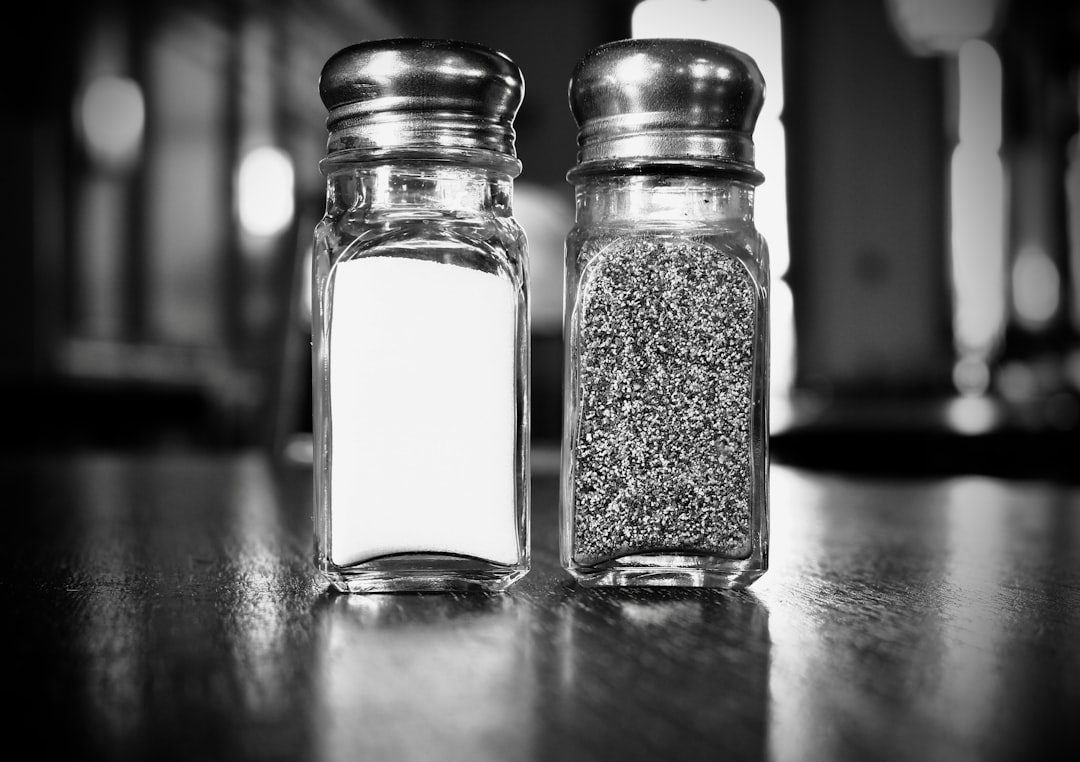
You can smoke salt by spreading it thin on a sheet pan and leaving it in your smoker for a few hours. Smoked salt has become one of my most-used finishing ingredients. A pinch on chocolate chip cookies? Trust me.
Some restaurants smoke their cocktail ingredients. Not just the ice cube (though that works). They’ll smoke the actual whiskey or mezcal. At home, you can approximate this with a smoking gun or by chilling a smoked glass and immediately pouring your drink into it.
Ketchup benefits from smoking too. Commercial smoked ketchup exists, but making your own means you control the intensity. Start with your regular ketchup in a shallow dish. An hour of oak smoke. The kids’ chicken nuggets suddenly become gourmet.
Choosing Your Wood Wisely
Different woods create dramatically different results. This isn’t optional knowledge-it’s essential.
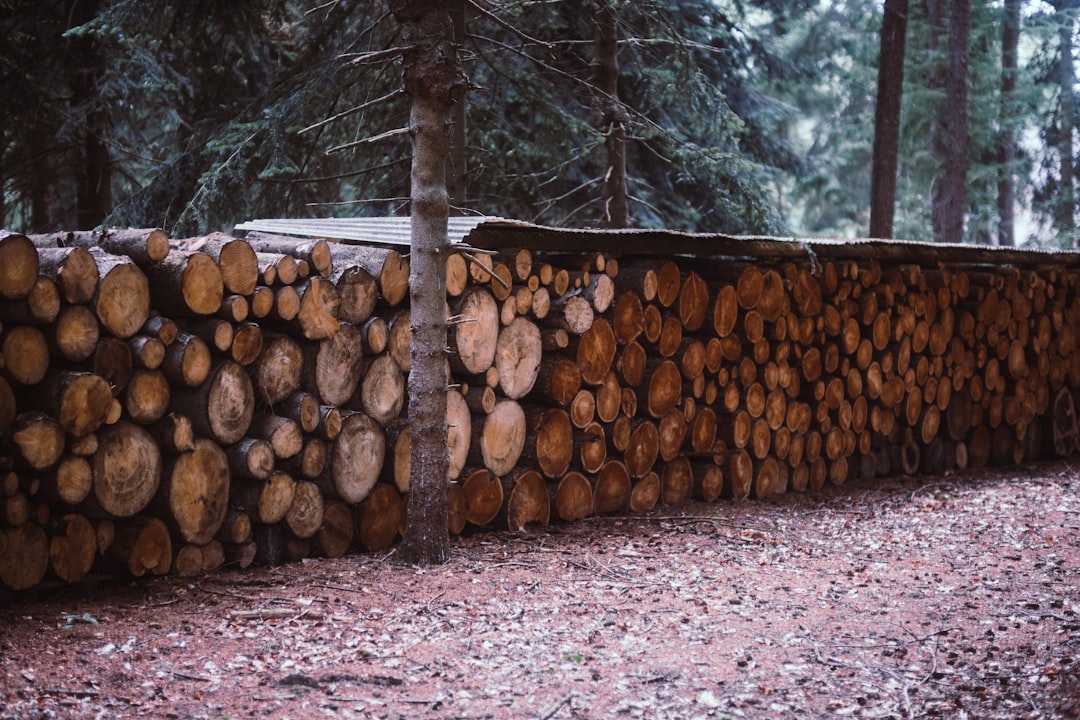
Fruitwoods like apple, cherry, and peach produce lighter, sweeter smoke. Perfect for delicate ingredients. Use these for dairy, fruits, and mild vegetables.
Hickory and oak hit harder. They’re the classics for a reason. Good for heartier vegetables and when you want that unmistakable “smoked” flavor front and center.
Mesquite is the most intense - it can overpower quickly. I’d avoid it for most non-meat applications unless you’re going for something very specific.
And please-never use treated wood, plywood, or anything you’re not 100% sure about. You’ll ruin the food and potentially create something actually dangerous.
Getting Started Without a Smoker
No dedicated smoker - no problem.
A stovetop smoking setup costs maybe twenty bucks. You need a pan, a rack, foil, and wood chips. Line the pan with foil, add chips, set the rack on top, add your food, cover tightly. Medium-low heat for 15-20 minutes - your kitchen will smell amazing. Your smoke detector might disagree.
Alternatively, use your regular grill. Soak wood chips for 30 minutes. Make a foil packet, poke holes in the top. Set it over the burner that’s lit and put your food on the unlit side. Close the lid. Indirect heat and smoke do the work.
Smoking guns have become popular too. They’re basically handheld smoke generators - less traditional, but they work. Especially good for cocktails and finishing touches.
A Few Lessons I Learned the Hard Way
Timing matters more than you’d expect. Over-smoked food tastes bitter and acrid. Under-smoked food just tastes like regular food with a weird aftertaste. Keep notes until you find your sweet spots.
Cold smoking (no heat, just smoke) works for some things but requires specialized equipment and careful temperature control. Hot smoking is easier and more forgiving for beginners.
And honestly - some experiments fail. I once tried to smoke hard-boiled eggs without peeling them first. The shells blocked most of the smoke. The eggs tasted vaguely of frustration. Peel them first - now I know.
The beauty of this whole approach is how it transforms ordinary ingredients into conversation pieces. That potato salad - it’s good. But smoked potato salad with smoked mayo? Now we’re talking about something people remember.
Start with one ingredient - maybe those tomatoes I mentioned. See what happens. Then let curiosity take over from there.