Smoking Mastery: Beyond Barbecue Into Daily Cooking

You know that incredible smoky flavor you get at your favorite barbecue joint? The one that makes you close your eyes and wonder how they do it? Here’s a secret: smoking is more than for brisket and ribs anymore.
I spent years thinking my smoker was a weekend-only tool. Big hunks of meat, hours of tending, the whole production. Then one Tuesday evening, I tossed some cherry tomatoes in there while smoking a small pork shoulder. Those tomatoes changed everything.
Smoking Transforms Ordinary Ingredients
Think about what smoke actually does. It’s not just adding flavor-it’s creating entirely new compounds through the Maillard reaction and the breakdown of wood lignins. When you smoke a tomato, you’re not making a “smoky tomato. " You’re making something that didn’t exist before.
Salt takes on complexity. Butter becomes this rich, bacon-adjacent spread without any pork. Even water-yes, water-picks up enough character to transform a simple soup base.
The ingredients I smoke most often:
- Salt (30 minutes cold smoke): Use it on everything. Eggs, popcorn, chocolate chip cookies. - Olive oil (1 hour cold smoke): Drizzle on pasta, fish, or grilled vegetables. - Butter (45 minutes): Compound butter’s sophisticated cousin. - Cream (20-30 minutes cold): Makes pasta sauces and ice cream base unbelievably good. - Garlic cloves (1 hour hot smoke): Mash into aioli or mashed potatoes.
Cold smoking keeps temperatures below 90°F, so delicate ingredients don’t cook. Hot smoking runs 200-275°F and works for items that benefit from some heat.
You Don’t Need Expensive Equipment
Here’s where people overcomplicate things - a full-size offset smoker? Great for weekends. But for Tuesday night ingredient prep?
A stovetop smoker costs around $50 and fits in a kitchen drawer. Some folks use a covered wok with a rack and wood chips. I’ve seen people get decent results with nothing more than a cardboard box and a soldering iron (though I can’t officially recommend that approach).
For cold smoking specifically, a smoke tube or maze costs about $15. You fill it with pellets, light one end, and it smolders for hours. Put it in any container with your ingredients. A covered grill works. So does a large pot with a makeshift lid.
The point: start with what you have. Upgrade when you know you’ll use it.
Wood Selection Matters More Than Gear
Different woods create genuinely different flavor profiles. This isn’t marketing-it’s chemistry.
Mild woods (apple, cherry, alder): Best for delicate ingredients. Dairy, seafood, vegetables - they add sweetness without overwhelming.
Medium woods (oak, pecan, maple): The workhorses. Good for most applications. Oak especially gives you that classic barbecue backbone.
Strong woods (hickory, mesquite): Use sparingly. Great for salt, oils, or anything you’ll use in small quantities. Mesquite can turn bitter fast, so watch your timing.
I keep apple and oak on hand always. They cover about 90% of what I do.
Practical Applications That’ll Change Your Cooking
Let’s get specific. What do you actually do with smoked ingredients?
Breakfast: Smoked butter on toast - smoked salt on fried eggs. Smoked cream in your coffee (sounds weird, tastes incredible). You’ve elevated a 10-minute breakfast without adding any time.
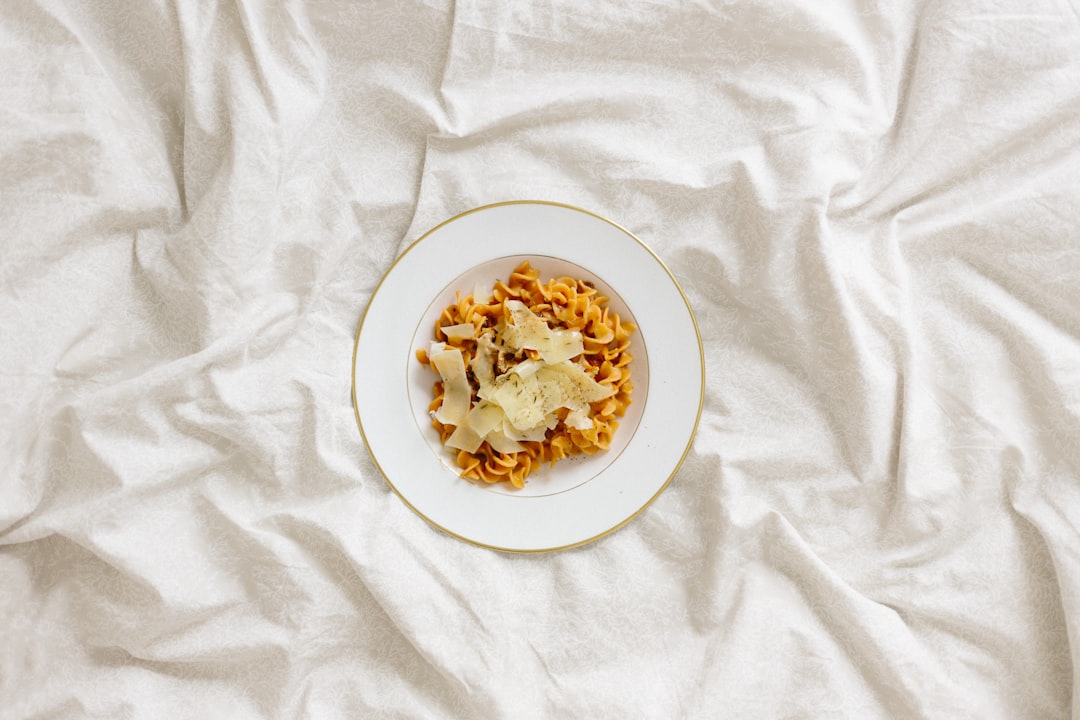
Weeknight dinners: Pasta with smoked olive oil, garlic, and parmesan takes 15 minutes. Smoked salt on roasted vegetables. A drizzle of smoked honey on pizza.
Batch cooking: Smoke a cup of salt, and you’ve got weeks of flavor enhancement. Same with oil, butter, or dried spices.
Here’s a recipe I make constantly:
Smoked Tomato Vinaigrette
- 4 smoked cherry tomatoes (hot smoke, 45 min at 225°F)
- 2 tbsp red wine vinegar
- 1 small shallot, minced
- 6 tbsp olive oil (smoked or regular)
- Salt and pepper
Blend tomatoes with vinegar and shallot. Stream in oil - season to taste. This dressing makes a simple green salad taste like you spent an hour on it.
Common Mistakes and How to Avoid Them
Over-smoking is real. And it’s the number one beginner error.
Smoke flavor intensifies as ingredients sit. What tastes mild coming off the smoker might taste like a campfire the next day. Start with less time than you think. You can always add more smoke. You can’t take it away.
Too much smoke: Bitter, acrid, sometimes chemical-tasting. Happens when you use too much wood, smoke too long, or let wood smolder instead of producing clean, thin smoke.
Thick white smoke: Bad sign. You want thin, almost invisible blue smoke. White smoke means incomplete combustion and deposits creosote on your food.
Wrong wood for the ingredient: Mesquite on delicate cream? Disaster - match intensity to ingredient.
Another thing-smoke penetration is about surface area, not size. Spread butter thin on a sheet pan rather than leaving it in a block. Break salt into a shallow layer. More surface means faster, more even flavor absorption.
Building Your Smoked Pantry
This is where home smoking becomes genuinely practical. Spend a couple hours one Saturday, and you’ve got weeks of ingredients ready to go.
My rotation:
- Smoked flaky salt (keeps indefinitely in a jar)
- Smoked olive oil (use within a month)
- Smoked butter (freeze what you won’t use in a week)
- Smoked paprika (cold smoke regular paprika-transforms it)
- Smoked garlic (refrigerate up to two weeks)
- Smoked nuts (almonds and pecans especially-great snacking or salad topping)
You know what’s underrated - smoked ice cubes. Smoke water, freeze it, use the cubes in whiskey or cocktails. Guests will think you’re a genius.
Getting Started This Week
Don’t overthink this. Here’s your homework:
1 - pick one ingredient. Salt’s the easiest - 2. Use whatever smoking method you have access to-even a cheap stovetop smoker or improvised setup. 3. Smoke for 30 minutes with a mild wood. 4. Use it on your next meal.
That’s it - you’ll taste the difference immediately. And you’ll start seeing opportunities everywhere. That pot of soup on the stove-what if the cream was smoked? Those grilled vegetables-what about smoked olive oil for finishing?
Smoking isn’t a weekend hobby anymore. It’s a technique. One that takes ordinary Tuesday dinners and makes them something you actually look forward to cooking.
The equipment can grow with your interest. But the skill? That starts the moment you decide smoke belongs in your regular cooking rotation. Not just on the meat - on everything.