Miso Butter: The Umami Game-Changer
You know that moment when you taste something and your brain just stops for a second? That happened to me the first time I tried miso butter on warm sourdough bread. I actually put my fork down and stared at the ceiling, trying to process what was happening in my mouth.
Miso butter is exactly what it sounds like-butter mixed with miso paste. Simple - but the result? Absolutely unreal. The salty, funky depth of fermented soybeans meets rich, creamy butter, and together they create this umami bomb that makes almost everything taste better.
What Makes This Combination Work So Well?
Let’s talk science for a second. Miso is packed with glutamates-those compounds responsible for the savory, mouth-coating sensation we call umami. Butter brings fat, which carries flavor across your palate and makes everything taste more satisfying. When you combine them, the fat helps distribute those umami compounds more evenly, intensifying the savory experience.
But here’s what I find really interesting: the two ingredients actually balance each other’s weaknesses. Miso on its own can be intensely salty and almost aggressive. Butter alone, while delicious, lacks complexity. Together? They mellow each other out while amplifying what makes each one special.
The Japanese have understood this relationship for a long time. Miso has been around for over 1,300 years in Japan, and combining it with Western ingredients started during the Meiji era when Japanese cuisine began incorporating more dairy. Miso butter became especially popular in Hokkaido, where both dairy farming and cold winters make rich, warming dishes a necessity.
Making Your Own Miso Butter
Here’s the good news: this takes about five minutes and requires zero cooking skills.
You’ll need:
- 1/2 cup (1 stick) unsalted butter, softened
- 2 tablespoons white or yellow miso paste
- Optional: 1 teaspoon honey, minced garlic, or fresh herbs
That’s it - seriously.
Let your butter sit at room temperature until it’s soft enough to mix easily-about 30 to 45 minutes. Don’t microwave it; you want it pliable, not melted. Dump the miso into a bowl with the butter and mash it together with a fork. Some people use a food processor,. I prefer the fork method because it gives you a slightly uneven distribution, which means you get little pockets of extra miso flavor throughout.
Once it’s combined, you can roll it into a log using plastic wrap, pack it into a small container, or just leave it in the bowl. It keeps in the fridge for about two weeks, though mine never lasts that long.
A Note on Miso Selection
White miso (shiro miso) is the mildest and sweetest-fermented for a shorter time, usually just a few weeks to a couple months. This works great if you want something subtle that won’t overwhelm delicate dishes.
Yellow miso (shinshu miso) sits in the middle. It’s got more depth than white but isn’t as aggressive as darker varieties. I use this one most often for miso butter because it’s versatile.
Red miso (aka miso) has been fermented longer, sometimes up to three years. It’s intensely salty and funky-almost cheese-like. Use less of this if you’re trying it, maybe just a tablespoon to start.
Fifteen Ways to Actually Use It
I’ve become slightly obsessed with putting miso butter on things. Here’s what works:
**On vegetables. ** Toss it with roasted broccoli, Brussels sprouts, or sweet potatoes right when they come out of the oven. The residual heat melts the butter into a glaze.
**Under chicken skin. ** Before roasting a whole chicken, work miso butter under the skin over the breast meat. The result is deeply golden skin and meat that’s seasoned all the way through.
**On steak. ** Drop a pat on top of a just-rested ribeye. As it melts, it creates its own pan sauce.
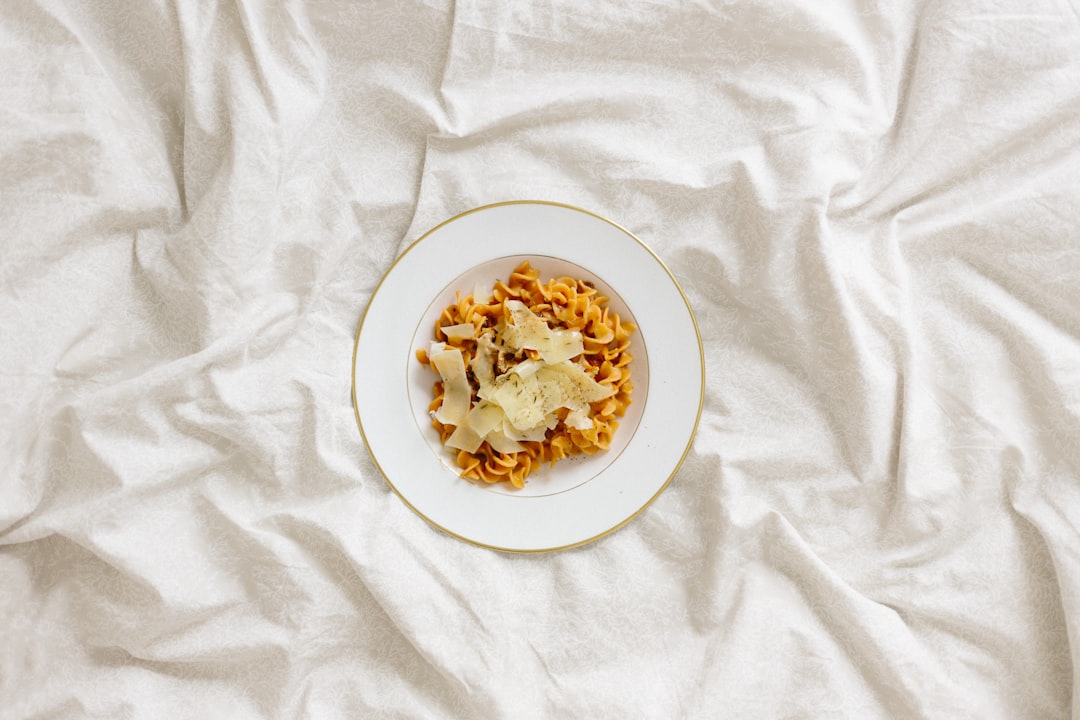
**Stirred into pasta. ** Works especially well with mushroom pasta or a simple garlic and olive oil base. The miso adds the kind of depth you’d normally need parmesan for.
**On corn - ** Forget regular butter. Miso butter on grilled corn will ruin you for any other version.
**In mashed potatoes. ** Use it instead of plain butter. Add a bit of the potato cooking water to thin if needed.
**On toast - ** Obviously. The breakfast of champions.
**Basted on salmon. ** Spoon melted miso butter over salmon fillets during the last few minutes of cooking.
**Tossed with noodles. ** Works with ramen, udon, or even just spaghetti. Add some green onions and a soft-boiled egg.
**In scrambled eggs. ** Stir in a small piece at the end of cooking. Eggs love umami.
**On grilled mushrooms. ** Portobello caps with miso butter basted on while grilling. Trust me.
**Mixed into rice. ** A tablespoon stirred into hot rice with a splash of soy sauce.
**On baked potatoes. ** Everything you love about a loaded baked potato, simplified.
**In pan sauces. ** When you’ve got those brown bits in the pan after searing meat, add miso butter and a splash of water or wine.
**Spread on corn bread - ** Sweet and savory together. Works surprisingly well.
The Variations Get Even Better
Once you’ve mastered basic miso butter, you can start playing around.
Miso honey butter adds about a tablespoon of good honey. The sweetness plays against the salt in a way that’s addictive on biscuits or cornbread.
Garlic miso butter incorporates a clove or two of minced raw garlic, or roasted garlic if you want something mellower. This is my go-to for steak or shrimp.
Citrus miso butter brings in the zest of a lemon, lime, or yuzu if you can find it. Fantastic on fish.
Herb miso butter adds fresh chives, parsley, or shiso (Japanese basil) for brightness. Roll it in the herbs for presentation.
Spicy miso butter mixes in a teaspoon of gochujang or sambal oelek. Put this on wings and watch people lose their minds.
Common Mistakes and How to Avoid Them
The biggest error I see people make? Using too much miso. You can always add more, but you can’t take it away once it’s mixed in. Start with less than you think you need.
Another issue: not softening the butter enough. If your butter is too cold, you’ll never get it properly combined with the miso. The paste will stay in clumps instead of distributing evenly.
Don’t use salted butter unless you’re really paying attention to your ratios. Miso is already salty. Adding salted butter on top can push things into inedible territory fast.
And store it properly. Miso butter can pick up fridge odors like a sponge if left uncovered. Always wrap it or use a sealed container.
Why You Should Care About Compound Butters Generally
Miso butter is really just one example of a compound butter-butter mixed with other flavoring ingredients. Once you get comfortable with this concept, a whole world opens up. You can make blue cheese butter for steaks, sundried tomato butter for bread, brown sugar cinnamon butter for pancakes, anchovy butter for roasted vegetables.
The technique is always the same: soften butter, mix in flavorful things, refrigerate. That’s it. You look like you know what you’re doing in the kitchen, and it takes almost no effort.
Professional cooks have been using compound butters forever because they’re essentially make-ahead flavor bombs. Prep them on Sunday, use them all week. Instant upgrade to weeknight dinners.
Where to Go From Here
If miso butter clicks for you, explore other fermented ingredients. Doenjang (Korean fermented soybean paste) has a different funk that’s worth trying. Fish sauce butter sounds weird but is incredible on seafood. Anchovy butter exists for good reasons.
The principle stays constant: fat plus fermented umami equals deliciousness. Miso butter is just the gateway.
Make a batch this weekend - slather it on something. You might have that ceiling-staring moment too.