How to Build a Balanced Meal Without Counting Calories
Look, I get it. Counting calories feels like homework nobody signed up for. You’re hungry, dinner needs to happen, and the last thing you want is to pull out a calculator or log every bite into some app. Good news - you don’t have to.
Building a balanced meal is actually pretty straightforward once you know what you’re looking at. No math required - no food scales. Just a bit of knowledge and your own two hands.
The Plate Method: Your New Best Friend
Forget percentages and macros for a second. Picture a regular dinner plate-about 9 inches across. That’s your canvas.
Here’s how to fill it:
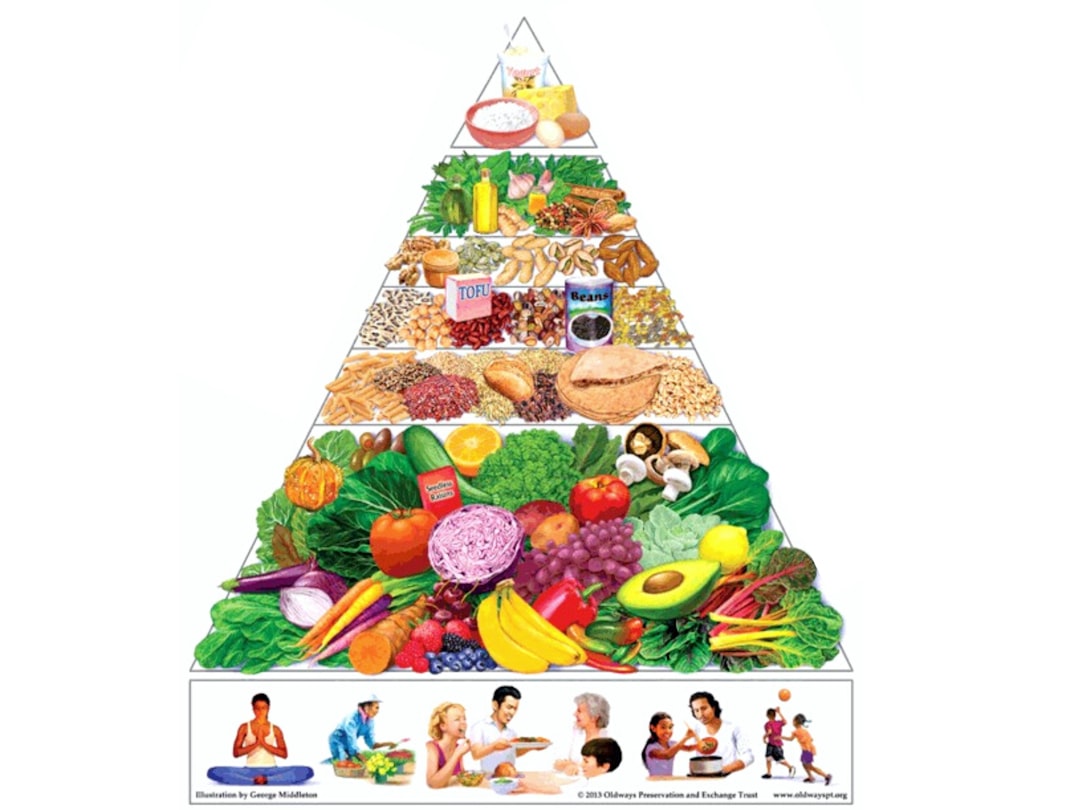
**Half your plate goes to vegetables. ** Non-starchy ones like broccoli, spinach, peppers, zucchini, or a big green salad. These foods pack vitamins and fiber without a ton of energy density. They fill you up physically and visually.
**A quarter gets protein. ** Chicken, fish, beans, tofu, eggs-whatever works for you. A portion roughly the size of your palm does the job for most people.
**The last quarter is for carbs. ** Rice, pasta, bread, potatoes, quinoa. About a fist-sized serving keeps things reasonable.
That’s it - no weighing anything. No looking up nutrition facts. You just built a balanced meal by eyeballing your plate.
Why This Actually Works
Your body isn’t a calculator. It doesn’t care if you ate exactly 2,147 calories today. What it does care about is getting enough protein to maintain muscle, enough fiber to keep digestion happy, and enough variety to cover your micronutrient bases.
The plate method naturally handles all of this. When half your food comes from vegetables, you’re automatically eating more fiber and nutrients than most people get. The protein keeps you satisfied longer-ever notice how a protein-heavy meal stops hunger in its tracks compared to a carb-only snack? And keeping starches to a quarter of your plate prevents the energy roller coaster that comes from carb-heavy meals.
Researchers at Harvard developed a version of this called the “Healthy Eating Plate” back in 2011. It was designed specifically because people found traditional nutrition advice confusing. Turns out, visual guidance beats numerical targets for most folks.
Your Hands Are Measuring Tools
Here’s something useful: your hands scale with your body. Larger people have larger hands and generally need more food. Smaller people have smaller hands and typically need less. Built-in portion control.
Some rough guidelines:
- Protein: Palm-sized portion (thickness matters too-about as thick as your palm)
- Vegetables: Two fist-sized portions minimum
- Carbs: One cupped handful
- Fats: Thumb-sized for oils, nut butters, or butter
These aren’t perfect measurements - they don’t need to be. You’re aiming for ballpark, not bullseye. Eating isn’t an exact science, and treating it like one leads to obsession rather than health.
What About Snacks?
Snacks throw people off because they don’t fit the plate model. But the same principles apply, just scaled down.
A balanced snack pairs something filling with something satisfying. Think apple slices with almond butter. Greek yogurt with berries - hummus with carrots. Cheese with whole grain crackers.
Notice the pattern? Fiber or protein (or both) plus something you actually enjoy eating. Single-ingredient snacks-like just an apple or just crackers-tend to leave you reaching for more within an hour. Combinations stick with you longer.
The “Am I Actually Hungry?” Check
Before building any meal, ask yourself one question: Am I actually hungry right now?
Sounds obvious - it isn’t. We eat for dozens of reasons that have nothing to do with hunger. Boredom - stress. The clock says it’s noon - someone brought donuts to work. Food is just - there.
Physical hunger builds gradually. It doesn’t care what you eat-an apple sounds fine when you’re truly hungry. Emotional hunger or habit-based eating usually wants something specific and wants it now.
I’m not saying never eat the donut. Life’s too short. But knowing why you’re eating helps you make choices that actually serve you. Sometimes the answer is “yes, I want this donut” and that’s valid. Other times it’s “I’m bored and this is just here” and maybe a walk sounds better.
Building Meals for Real Life
Theory is nice - application matters more. Let’s run through some actual meals.
Breakfast option 1: Two eggs scrambled, half an avocado, big handful of spinach sautéed with the eggs, slice of whole grain toast. Protein, healthy fat, vegetables, carbs - done.
Breakfast option 2: Overnight oats with Greek yogurt mixed in, topped with berries and a sprinkle of nuts. Carbs, protein, fruit, fat - balanced.
Lunch at a restaurant: Order a salad with grilled chicken, dressing on the side, small portion of bread or a half sandwich. Ask for extra vegetables if you can. Most restaurant portions run huge on carbs and protein while skimping on vegetables.
Dinner at home: Sheet pan salmon with roasted broccoli and sweet potato. One pan, minimal cleanup, perfectly portioned. The salmon filet is your protein, load up on broccoli, and a medium sweet potato handles your carbs.
Vegetarian dinner: Bean and vegetable stir-fry over a modest scoop of rice. Beans cover protein and fiber, pile on the veggies, keep the rice to that fist-sized portion.
When Plates Don’t Apply
Some meals don’t divide neatly - soup. Stir-fries - casseroles. Tacos.
Think about components rather than physical sections. That beef stew? Does it have protein in there (beef, yes), vegetables (carrots, potatoes, onions), and starch (the potatoes or bread you’re dunking)? You’re good.
Tacos work too. Protein in the filling, load up on vegetable toppings like lettuce, tomato, and peppers, and the tortilla handles carbs. Three small tacos often beats one giant one just because you’re more aware of what you’re eating.
The goal isn’t perfection with every single meal. It’s a general pattern that trends toward balance over time. One unbalanced meal doesn’t undo anything. A whole week of them might need attention.
Listening to Fullness
Here’s where intuitive eating enters the picture. Building a balanced plate means nothing if you ignore what your body tells you during and after eating.
Eat slowly enough to notice when satisfaction hits. It’s not the same as being stuffed-satisfaction is that comfortable feeling where food stops being interesting. The next bite wouldn’t add anything.
Takes practice. Most of us were raised in the “clean plate club” era where leaving food meant lectures about starving children elsewhere. Unlearning that takes time. But your body gives signals worth listening to. Pushing past fullness rarely feels good afterward.
The Flexibility Factor
Rigid rules breed rebellion. If you tell yourself you can never have dessert, dessert becomes all you think about. If carbs are forbidden, bread turns into an obsession.
Balance includes flexibility. Some meals will be heavier on one component than another. Birthday cake exists - holiday dinners happen. A balanced approach absorbs these moments without drama.
What matters is the overall pattern. Most meals roughly follow the plate method. Some don’t - life keeps moving. No guilt necessary.
Putting It Together
Building balanced meals without counting anything comes down to three things:
- Visual structure: Half vegetables, quarter protein, quarter carbs
- Hand portions: Palm for protein, fists for vegetables, handful for carbs, thumb for fats
That’s genuinely it - no apps. No obsessive tracking. No food scales collecting dust in your cabinet.
Will this approach help you lose exactly 1. 3 pounds per week - who knows. Bodies are complicated and weight involves countless factors beyond food. But will it help you eat in a way that supports health without making meals feel like math problems?
Absolutely.
Start with your next meal - look at your plate. Does it roughly fit the template? Great - enjoy your food. Move on with your day. Nutrition really can be that simple.