Understanding Acidity and Its Role in Cooking
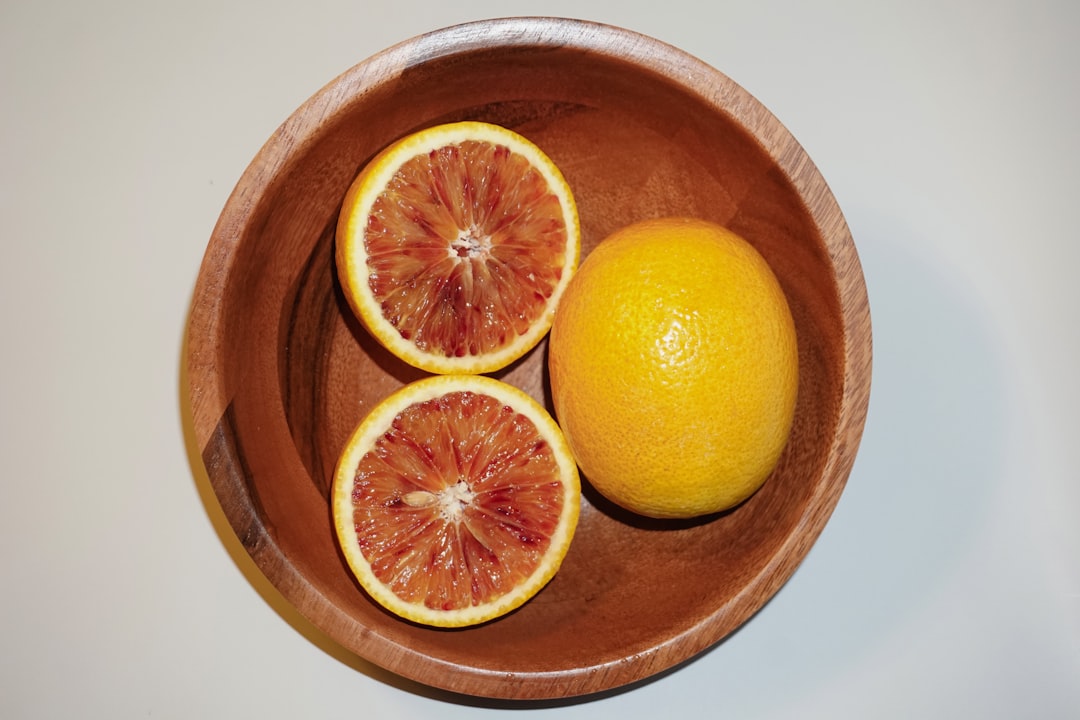
Ever squeeze a lemon over fish and wonder why it tastes so much better? That’s acidity doing its thing. And once you understand how it works, you’ll start using it everywhere in your kitchen.
Acidity is more than about sour flavors. It’s a fundamental force that changes textures, brightens dishes, and balances out richness. Think of it as the secret weapon hiding in your pantry.
What Acidity Actually Does to Your Food
Here’s the deal: acids break things down. On a molecular level, they denature proteins, which is why a squeeze of lime can “cook” raw fish in ceviche. No heat required. The acid unravels the protein strands, turning translucent flesh opaque and firm.
But that’s just one trick.
Acids also interact with your taste buds in fascinating ways. They stimulate saliva production, which is why acidic foods feel so refreshing. Your mouth literally waters. And when paired with fatty or rich dishes, acids cut through that heaviness, preventing flavor fatigue.
Try eating a bowl of mac and cheese without any acid. By the fifth bite, it’s overwhelming. Now add a splash of hot sauce (which contains vinegar) or serve it with pickles on the side. Suddenly you can eat the whole bowl. The acid resets your palate between bites.
The pH Scale and Why It Matters in Cooking
You probably remember pH from high school chemistry. The scale runs from 0 to 14, with 7 being neutral. Anything below 7 is acidic, anything above is alkaline (or basic).
Here’s where it gets practical:
- Lemon juice sits around pH 2-3
- Vinegar ranges from pH 2. 5-3. 5 depending on type
- Tomatoes clock in at pH 4-4.
Why does this matter? Because different pH levels trigger different reactions. Baking soda (alkaline) mixed with buttermilk (acidic) creates carbon dioxide bubbles. That’s your pancakes rising right there. Mess up the pH balance and you get flat, dense discs instead of fluffy stacks.
Red cabbage is a natural pH indicator. Cook it in acidic liquid and it turns bright pink. Add baking soda and it goes blue-green. Some chefs use this deliberately for visual effect.
Your Arsenal of Kitchen Acids
Not all acids taste the same, even when they have similar pH levels. Each brings its own character.
Citrus juices hit bright and fresh. Lemon works with fish and chicken. Lime loves Mexican and Thai food. Orange adds sweetness along with acidity, great for glazes. Grapefruit brings bitterness to the party too.
Vinegars offer more depth - red wine vinegar tastes… well, winey. Apple cider vinegar has a fruity funk. Rice vinegar is gentler, almost sweet. Balsamic brings caramel notes - and plain white vinegar? Pure, sharp acidity without distraction.
Wine (and beer) contributes acidity plus alcohol plus complex flavors from fermentation. A splash of white wine in a cream sauce prevents it from feeling heavy.
Tomatoes are interesting because they combine acidity with umami and sweetness. That’s why tomato sauce works so well as a base for countless dishes.
Dairy acids like yogurt, buttermilk, and sour cream bring tang along with fat. They tenderize meat in marinades while adding richness.
How to Use Acidity Like a Pro
The biggest mistake home cooks make? Underseasoning with acid. You add salt until food tastes good, right? Same principle applies to acid.
Taste your dish. Does it seem flat or one-dimensional? Add a few drops of lemon juice or vinegar. Taste again. Keep going until the flavors pop. You’re not trying to make it taste sour-you’re trying to make it taste complete.
Some practical applications:
**Marinades. ** Acid tenderizes tough cuts by breaking down muscle fibers. But don’t go overboard. More than 2 hours in a very acidic marinade turns meat mushy. For delicate proteins like fish, 15-30 minutes is plenty.
**Deglazing. ** After searing meat, that brown stuff stuck to your pan is pure flavor. Add wine or vinegar, scrape it up, and you’ve got an instant sauce. The acid lifts the fond and creates a bright, flavorful base.
**Balancing sweetness - ** Making a fruit pie? Add lemon juice to the filling. The acidity enhances fruitiness and prevents cloying sweetness. This is why good lemonade needs both sugar AND lemon-they balance each other.
**Finishing. ** A squeeze of citrus right before serving wakes up tired flavors. Soup tastes dull - hit it with lime. Stir-fry needs something - rice vinegar. This last-second addition preserves the fresh, bright notes that cooking would destroy.
Common Mistakes (And How to Fix Them)
Added too much acid - don’t panic. Fat neutralizes acid perception. Stir in butter, cream, or olive oil. Sugar helps too-not to change the actual pH, but to balance how your tongue perceives it.
Discolored your vegetables? Acids turn green vegetables an ugly olive color by affecting chlorophyll. If you’re using lemon on broccoli, add it at the last second. Or embrace the color change and call it rustic.
Curdled your cream sauce? Adding acid to dairy requires finesse. Temper slowly, keep temperatures moderate, and consider using cream (higher fat) instead of milk. Fat helps stabilize the emulsion against acid-induced curdling.
The Acid Test for Better Cooking
Next time you make something and it tastes… fine… but not exciting, reach for acid before salt. Sometimes that’s all it needs.
Start with just half a teaspoon of lemon juice or vinegar in a pot of soup. Stir and taste. Keep adding tiny amounts until the soup suddenly tastes more like itself. You’ll know when you hit it.
Acidity isn’t about making food sour. It’s about making flavors vivid and clear. Once you understand that, you’ll find yourself reaching for that bottle of vinegar almost as often as the salt shaker.
And honestly? Your food will be better for it.