Why Mise en Place Transforms Your Cooking Experience
Ever watch a cooking show and wonder how the chef makes it look so effortless? They’re not just talented - they’re prepared. Everything sits in neat little bowls, ready to go. That’s mise en place, and it’s about to change how you cook.
What Mise en Place Actually Means
Mise en place is French for “everything in its place. " Sounds simple, right - it is. But simple doesn’t mean unimportant.
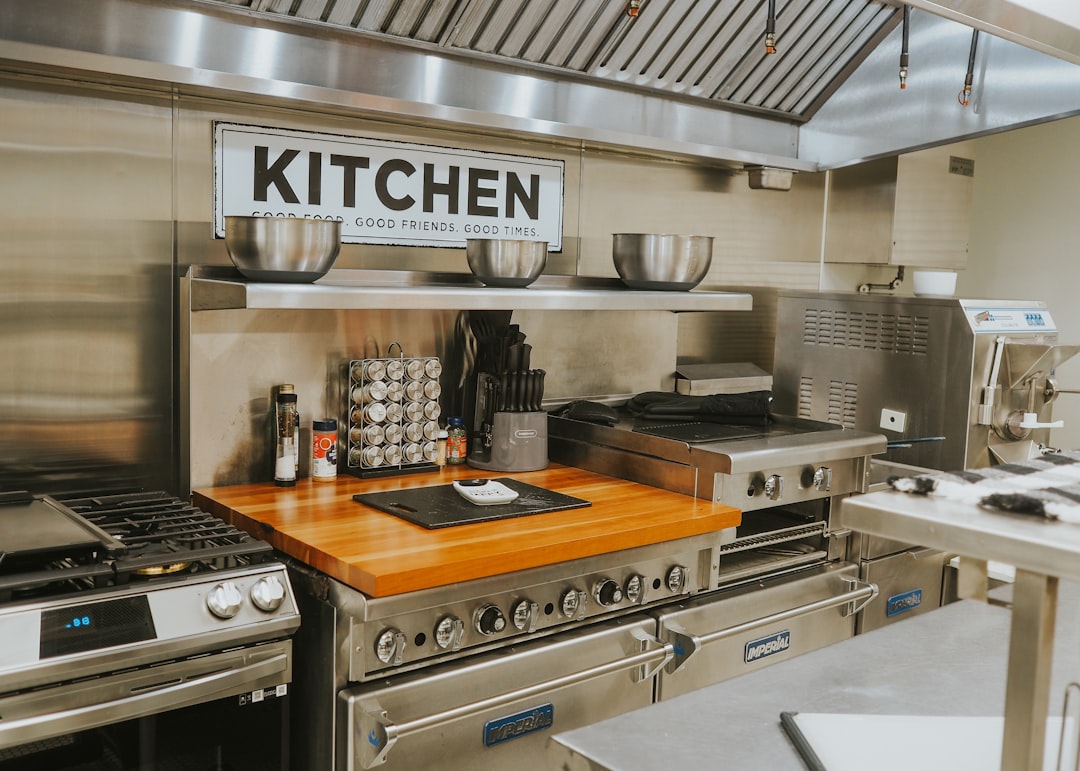
The concept comes from professional kitchens where chaos equals disaster. When you’ve got 47 orders coming in and a head chef screaming, you can’t stop to dice an onion. Everything needs to be prepped, measured, and within arm’s reach before the first flame hits the pan.
but: your home kitchen isn’t a restaurant. You’re not feeding a dining room of hungry customers. But the principle? It works just as well when you’re making Tuesday night tacos for your family.
Why Most Home Cooks Skip This Step
I get it - you’re hungry. The recipe says 45 minutes and you want to eat in 45 minutes. Measuring everything out beforehand feels like extra work.
But think about the last time you burned garlic because you were frantically chopping carrots. Or when you realized halfway through a stir-fry that you forgot to prep the sauce. Sound familiar?
Most recipes assume you’re doing prep as you go. They’ll say “while the onions cook, dice the peppers. " That works great until it doesn’t. Miss one step and suddenly you’re scrambling.
The irony? Skipping mise en place often takes longer. You’re stressed, you make mistakes, you forget ingredients. A dish that should take 30 minutes stretches to an hour of chaos.
How to Actually Do It
You don’t need fancy ingredient bowls or a complete kitchen renovation. Here’s the practical approach:
**Read the entire recipe first - ** All of it. Before you touch a knife. Know what’s coming so nothing surprises you.
**Group your ingredients. ** Pull everything you need from the fridge and pantry. If something’s missing, you’ll know now-not when the oil’s smoking.
**Prep in order of cooking. ** Things that go in first get prepped first. Makes sense, but most people don’t think about it.
**Use what you have for containers. ** Small plates work fine. So do coffee mugs, ramekins, or that collection of takeout containers you’ve been saving. Those cute matching prep bowls from the cooking store? Nice to have, not need to have.
**Combine ingredients that go in together. ** If the recipe says “add garlic and ginger,” put them in the same bowl. Fewer containers, faster cooking.
The Real Benefits Nobody Talks About
Yeah, mise en place makes cooking faster and less stressful. Everyone mentions that - but there’s more.
**You actually taste your food. ** When you’re not panicking about what comes next, you can focus on what’s happening now. Does it need more salt? Should those onions cook another minute? You’ll notice.
**Cleanup gets easier - ** Prep creates mess. Cooking creates mess. But when you separate the two, you can wash your cutting board and knife before you even start cooking. Less pile-up at the end.
**You cook more often. ** Sounds counterintuitive since prep takes extra time. But cooking stops feeling like a battle. When something’s enjoyable instead of stressful, you do it more. I started cooking four nights a week instead of two after making this switch.
**Recipes become suggestions. ** Once you’ve got everything laid out, you can see the dish as a whole. Want to add more vegetables - skip the cream? You spot opportunities for customization that you’d miss in the chaos of cooking blind.
When to Skip It
Look, mise en place isn’t mandatory for everything. Making scrambled eggs? Just crack them in a bowl and go. Heating up soup? The can opener is your only prep tool.
The sweet spot is recipes with more than five ingredients or multiple cooking stages. Anything where timing matters. Dishes from cuisines you’re not familiar with.
For quick weeknight meals you’ve made a hundred times, trust your instincts. Your hands already know the rhythm.
Start Small
You don’t need to transform overnight. Pick one recipe this week-something a little ambitious, maybe a stir-fry or a curry. Do full mise en place for that single dish.
Notice how it feels. The calm focus instead of frantic multitasking. The way ingredients seem to fly into the pan exactly when they should.
Then decide if it’s for you. Most people who try it properly once become converts. Not because some French technique sounds impressive, but because cooking becomes what it should be: creative, enjoyable, maybe even meditative.
Professional chefs spend 80% of their time on prep and 20% on actual cooking. There’s a reason for that. The work happens before the heat.
Your mise en place doesn’t need to look Instagram-perfect. It just needs to work. Grab some bowls, read that recipe twice, and see what happens when everything’s in its place before you start.