Best Practices for Storing Fresh Herbs Long Term
You just bought a gorgeous bunch of fresh basil from the farmers market. It smells incredible. You’re already planning that caprese salad. And then life happens. Three days later, you open the fridge to find a sad, blackened mess that looks like it went through a washing machine.
Sound familiar?
Fresh herbs are one of the trickiest ingredients to keep around. They’re delicate, temperamental, and seem determined to wilt the moment you bring them home. But but: with the right storage methods, you can keep most herbs fresh for weeks instead of days. Some methods can even preserve them for months.
Why Fresh Herbs Are So Hard to Store
Before we get into solutions, it helps to understand the problem. Fresh herbs fail for three main reasons: too much moisture, too little moisture, or exposure to ethylene gas from other produce.
Soft herbs like basil, cilantro, parsley, and mint have delicate leaves with high water content. They bruise easily and are sensitive to cold. Hardy herbs like rosemary, thyme, and oregano have woody stems and tougher leaves. They’re more forgiving but still need the right conditions.
The refrigerator presents a paradox. It’s cold enough to slow decay but also dry enough to dehydrate leaves. And that crisper drawer? Unless you adjust the humidity settings, it’s basically a dehydration chamber for anything leafy.
The Bouquet Method: Best for Soft Herbs
This is my go-to approach for cilantro, parsley, and mint. It’s dead simple and genuinely works.
Trim about half an inch off the stems at an angle, just like you would with cut flowers. Fill a jar or glass with about an inch of water. Place the herbs stem-side down in the water. Cover loosely with a plastic bag or a damp paper towel.
For cilantro and parsley, store the whole setup in the refrigerator. They’ll last two to three weeks this way, sometimes longer. Change the water every few days or when it starts looking cloudy.
Basil is the exception - it hates the cold. Keep your basil bouquet on the counter at room temperature, away from direct sunlight. Treat it like a houseplant. I’ve kept basil fresh for over two weeks using this method.
One thing I learned the hard way: make sure the leaves themselves don’t touch the water. Submerged leaves rot fast and take everything else down with them.
The Paper Towel Roll: Best for Hardy Herbs
Rosemary, thyme, sage, and oregano do better with a different approach. These herbs don’t need their stems in water. They need humidity control.
Lay out a slightly damp paper towel. Arrange your herbs in a single layer on one half. Fold the towel over them gently. Roll the whole thing loosely and place it in a zip-lock bag. Don’t seal the bag completely-leave it slightly open for air circulation.
Stored this way in the crisper drawer, hardy herbs can last three to four weeks. I’ve pushed rosemary past five weeks without much quality loss.
The key word here is “slightly damp. " Too wet and you’ll get mold. Bone dry and the herbs will shrivel. Think of the paper towel as a humidity buffer.
Freezing: The Long Game
When you’ve got more herbs than you can use before they turn, freezing is your friend. But you can’t just toss them in a freezer bag and hope for the best. Well, you can, but you’ll end up with a frozen green brick.
There are two methods that actually work.
The Oil Cube Method
Chop your herbs finely. Pack them into ice cube trays, filling each compartment about two-thirds full. Pour olive oil over the herbs until they’re just covered. Freeze solid, then pop the cubes into a freezer bag.
These herb-oil cubes are perfect for cooking. Drop one directly into a hot pan when sautéing vegetables or starting a sauce. The oil melts instantly and releases the herb flavor. They’ll keep for six months or longer.
This works especially well with basil, parsley, cilantro, chives, and dill.
The Flash Freeze Method
For herbs you want to keep separate (not suspended in oil), spread them on a parchment-lined baking sheet. Freeze for two hours until solid. Transfer to a freezer bag, pressing out as much air as possible.
Flash-frozen herbs are best for dishes where they’ll be cooked rather than used fresh. The texture changes after freezing-they become limp when thawed. But the flavor holds up remarkably well in soups, stews, and braises.
Hardy herbs like rosemary and thyme freeze beautifully this way. You can even use them directly from frozen without thawing.
Drying: Old School but Effective
Dried herbs aren’t as active as fresh, but they have their place. And if you’re growing more than you can use, drying beats throwing them away.
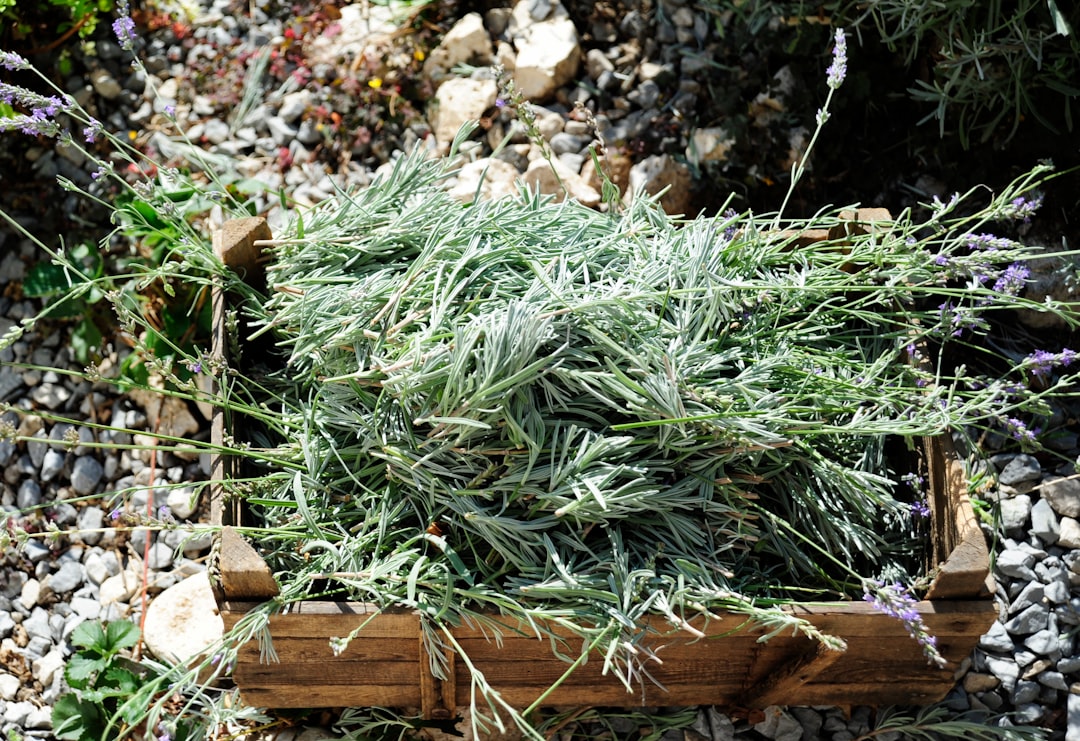
The simplest method: tie small bundles of herbs with kitchen twine and hang them upside down in a warm, dry spot with good air circulation. A pantry works - so does a covered porch. Avoid anywhere humid like above the dishwasher.
Most herbs dry completely in one to two weeks. You’ll know they’re ready when the leaves crumble easily between your fingers.
Store dried herbs in airtight glass jars away from light and heat. That spice rack right next to your stove? Worst possible location. Heat and light degrade dried herbs faster than almost anything else.
One ratio to remember: substitute one teaspoon of dried herbs for every tablespoon of fresh in recipes. Dried herbs are more concentrated since the water is gone.
The Mistakes That Kill Herbs Fastest
Let me save you some grief by sharing what doesn’t work.
**Washing before storing. ** Excess moisture is the enemy. Only wash herbs right before you use them, not when you bring them home. If they’re truly dirty, pat them completely dry with paper towels before storing.
**Storing near ethylene producers. ** Apples, bananas, tomatoes, and avocados release ethylene gas as they ripen. This gas accelerates decay in herbs and leafy greens. Keep them in separate drawers or areas of your fridge.
**Leaving herbs in grocery store packaging. ** Those plastic clamshells and rubber-banded bundles trap moisture and accelerate rot. Repackage herbs as soon as you get home using one of the methods above.
**Cramming too many herbs together - ** Herbs need breathing room. Overcrowded herbs create pockets of moisture and warmth that breed mold.
Quick Reference: Storage Times You Can Expect
Here’s what I’ve consistently achieved with proper storage:
- Basil (counter bouquet): 10-14 days
- Cilantro (refrigerator bouquet): 2-3 weeks
- Parsley (refrigerator bouquet): 3-4 weeks
- Mint (refrigerator bouquet): 2-3 weeks
- Rosemary (paper towel method): 3-5 weeks
- Thyme (paper towel method): 2-3 weeks
- Sage (paper towel method): 2-3 weeks
- Dill (paper towel method): 1-2 weeks
- Chives (paper towel method): 1-2 weeks
- Frozen herb cubes: 6+ months
- Dried herbs: 1-3 years (though flavor peaks in first year)
Your results will vary based on how fresh the herbs were when you bought them and your specific refrigerator conditions. But these numbers are realistic if you follow the methods properly.
Growing Your Own: The Ultimate Storage Hack
I know this article is about storage, not gardening. But hear me out.
A small herb pot on your windowsill means you’re harvesting fresh rather than storing at all. Basil, mint, chives, and parsley all grow easily indoors with decent light. Rosemary and thyme prefer outdoor conditions but can manage inside too.
You clip what you need, when you need it. No storage anxiety - no wilted disappointment.
Even if you don’t have a green thumb, most garden centers sell established herb plants for a few dollars. They’ll keep producing for months with basic watering.
Making Peace with Herb Reality
Look, some herb loss is inevitable. Even with perfect storage, fresh herbs have a limited lifespan. The goal isn’t perfection-it’s reducing waste while maximizing the window where your herbs taste great.
Start with the bouquet method for soft herbs and the paper towel method for hardy ones. Those two techniques alone will transform your herb game. When you’re swimming in more herbs than you can use, freeze some in oil cubes.
And when the occasional bunch still goes bad before you get to it? Compost it without guilt. It happens to everyone, even people who write articles about herb storage.