The Complete Guide to Building Flavor Layers in Cooking

Ever wonder why restaurant food tastes so much better than what you make at home? Nine times out of ten, it comes down to one thing: layers.
Not literal layers like a cake. I’m talking about flavor layers-the way professional cooks build taste at every single step of cooking, from the moment they heat the pan to the final sprinkle of salt before serving.
Here’s the good news. This isn’t some mystical chef talent. It’s a learnable skill. And once you get it, you’ll never cook the same way again.
What Are Flavor Layers, Anyway?
Think of flavor like music. A single note can be nice. But a chord - that’s where things get interesting. Flavor layering works the same way-you’re stacking different tastes and aromas so they play together, creating something richer than any single ingredient could achieve alone.
Most home cooks make a common mistake. They add all their seasonings at once, usually at the end. Salt goes in - pepper goes in. Done. But that’s like playing all the instruments at exactly the same time for one second. You miss the melody entirely.
Professional cooks season at multiple stages. They toast spices before adding liquid. They salt the pasta water and the sauce and finish with flaky salt on top. Each addition serves a different purpose and hits your palate differently.
The Foundation Layer: Fat and Aromatics
Every great dish starts somewhere - usually, it’s fat plus aromatics.
When you heat oil or butter in a pan and add onions, garlic, or ginger, you’re doing something key. You’re creating a flavor base that will carry through the entire dish. This isn’t optional seasoning-it’s the foundation everything else builds on.
But here’s where most people go wrong. They don’t give this step enough time.
Onions need 8-10 minutes over medium heat to really develop sweetness. Garlic needs 30-60 seconds to become fragrant without burning. Ginger wants a full minute to release its oils into the fat.
Rush this step, and your dish tastes flat. Give it time, and suddenly everything has depth.
A practical tip: bloom your dried spices in this fat too. Cumin, coriander, paprika-they all become more complex when toasted in oil for 30 seconds before you add liquids. The fat carries those aromatic compounds throughout your dish in a way that just dumping powder into sauce never will.
The Middle Layer: Building During Cooking
Once your foundation is set, the building continues.
This is where acid, sugar, and umami come into play. And timing matters more than you might think.
Take tomato paste. Adding it early and letting it cook until it darkens-that’s called “cooking out the tomato paste,” and it transforms raw, tinny flavor into deep, almost meaty richness. Two minutes of stirring that paste in hot oil versus just dumping it in with everything else? Completely different dishes.
Same with wine or vinegar. Add acid too early, and it can seize up meat proteins or prevent vegetables from softening properly. Add it at the right moment, and it brightens everything without taking over.
Here’s a layering trick I use constantly: soy sauce or fish sauce in unexpected places. A tablespoon of soy sauce in beef stew doesn’t make it taste Asian. It makes it taste *more. * That’s umami working its magic, adding depth without announcing itself.
Worcestershire sauce in tomato soup - fish sauce in bolognese. Miso paste in cheese sauces. These background umami players make people ask “what’s in this? " without being able to identify the secret ingredient.
The Finishing Layer: What Happens at the End
The final layer might be the most overlooked, and it’s arguably the most important.
This is your opportunity to add brightness, texture, and fresh flavor that cooking would destroy. Think:
- Fresh herbs (basil, cilantro, parsley, chives)
- Citrus zest or a squeeze of lemon
- A drizzle of good olive oil
- Flaky finishing salt
- A splash of vinegar
- Toasted nuts or seeds
- Fresh black pepper
These elements sit on top of all your carefully built flavors and wake everything up. That squeeze of lime on tacos isn’t decorative. It’s essential. Without it, the dish tastes muted.
I’d argue the finishing layer is where home cooks leave the most flavor on the table. You’ve done all this work building a dish, and then you serve it without that final pop of acid or freshness. It’s like writing a great song and forgetting the hook.
Salt: The Layer That Runs Through Everything
Salt deserves its own section because it’s not really one layer-it’s present in all of them.
Salting early helps proteins retain moisture and seasons food from the inside. Salting during cooking keeps your flavors balanced as ingredients combine. Finishing salt adds texture and concentrated pops of saltiness.
But but: the type of salt matters at each stage.
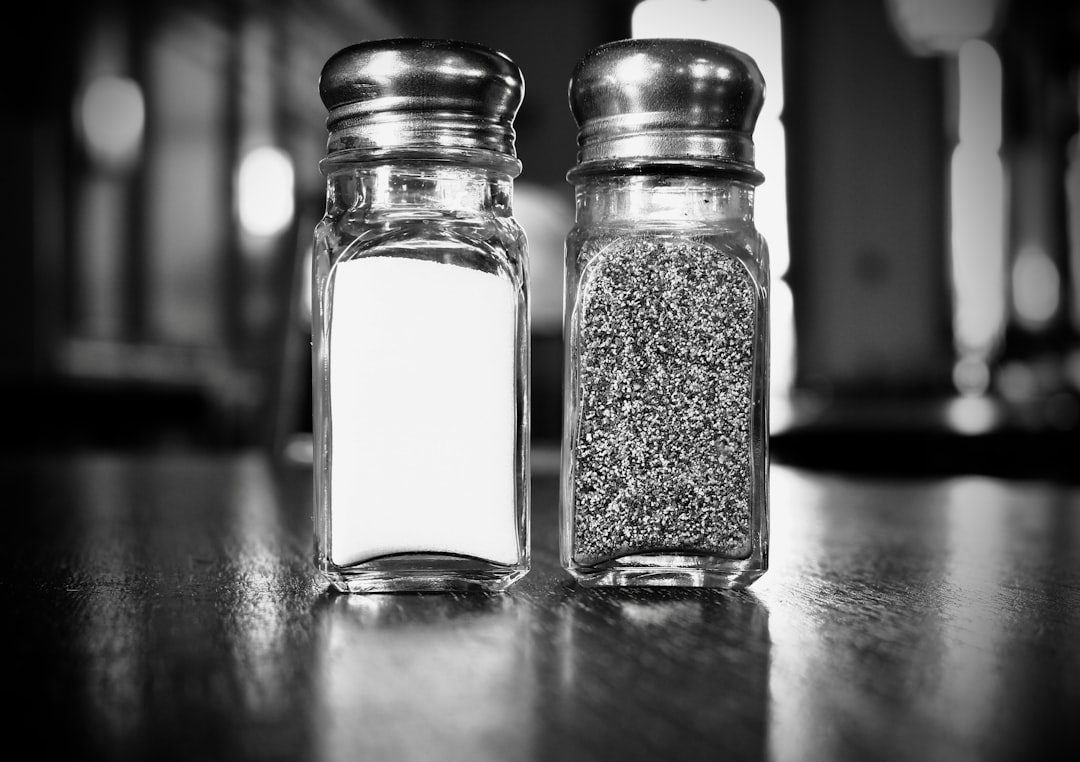
Fine salt (kosher or table) works best for seasoning during cooking-it dissolves quickly and distributes evenly. Finishing salts with larger crystals (Maldon, fleur de sel) are wasted if you add them early. They’ll just dissolve. Save them for the end where you can actually appreciate their crunch and brininess.
Under-salting is the biggest flavor mistake home cooks make. And I don’t mean you need to turn everything into a salt lick. I mean most people are timid about seasoning, and their food tastes like it.
Taste as you go - adjust constantly. Your tongue is your best tool here.
Temperature as a Flavor Layer
This one surprises people, but temperature absolutely affects flavor perception.
Cold numbs your taste buds - hot amplifies certain tastes. This is why ice cream needs more sugar than you’d think-frozen, it tastes less sweet. It’s also why soup that tasted perfectly seasoned when hot can seem bland once it cools.
So taste your food at the temperature you’ll serve it. Season warm dishes when they’re warm. Let cold dishes sit at room temperature briefly before that final seasoning check.
And on a related note: residual heat matters. If you season a dish and then let it sit on a warm burner for another ten minutes, flavors will continue developing. Sauces reduce and concentrate. Salt can become more pronounced as liquid evaporates. Account for this.
Putting It All Together
Let’s walk through a simple example. Imagine you’re making a basic tomato sauce.
Foundation layer: Olive oil, sliced garlic cooked until fragrant (not brown), maybe some red pepper flakes bloomed in the oil.
Building layer: Crushed tomatoes, a splash of the pasta water for starch, salt to taste. Simmer for 20 minutes so flavors marry.
Finishing layer: Fresh basil torn at the last second. A drizzle of your best olive oil. Maybe some pecorino - a crack of black pepper.
Three distinct moments of adding flavor. Each one serves a purpose. Skip any of them, and the sauce falls flat.
That’s the whole concept. It’s not complicated once you see it.
Practice Makes Instinct
The awkward truth? You’ll mess this up at first. You’ll over-salt because you seasoned at every stage without accounting for reduction. You’ll burn garlic while waiting for onions to caramelize. You’ll add acid too early and wonder why your beans are still crunchy after an hour.
That’s fine - that’s learning.
The goal isn’t perfection-it’s awareness. Once you start thinking about when you add flavor, not just what flavor you add, your cooking improves dramatically.
Start with one dish you make regularly. Pay attention to when you’re seasoning. Ask yourself: could I add something earlier? Later - could I bloom these spices? Could a finishing acid brighten this up?
Experiment - taste constantly. Trust your palate.
Before long, layering becomes instinct. And that’s when cooking gets really fun.