Common Meal Prep Mistakes That Waste Your Time and Food
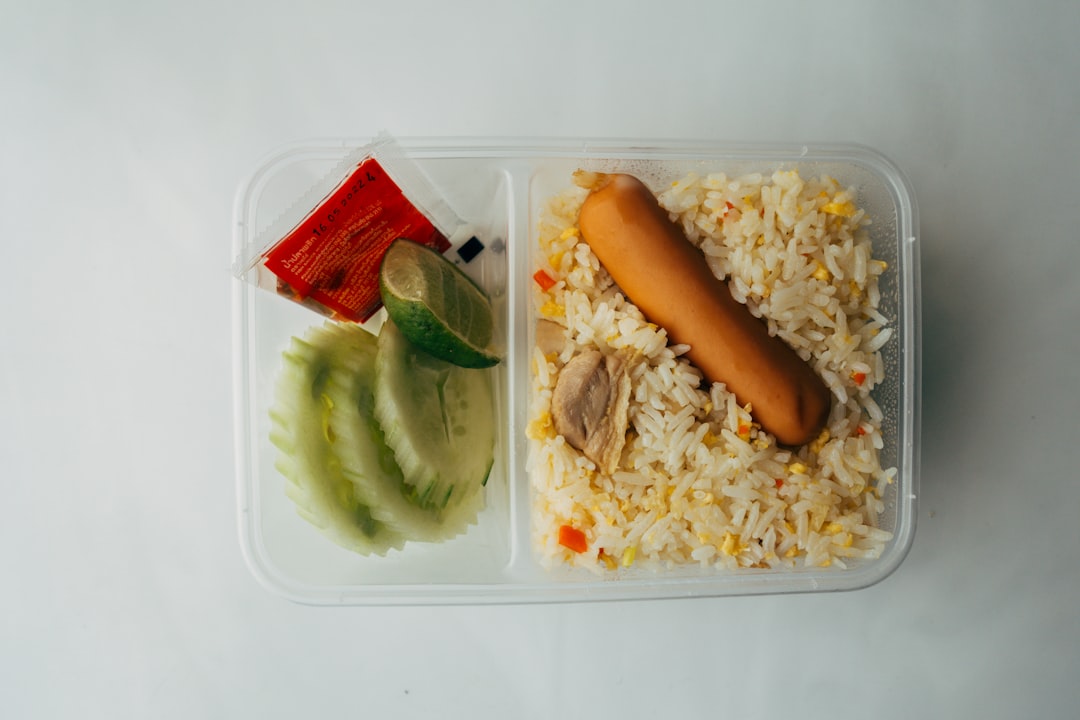
You spent your entire Sunday afternoon chopping, cooking, and portioning. By Wednesday, half those containers are still untouched. By Friday, you’re tossing wilted greens and mystery leftovers into the trash.
Sound familiar?
Meal prep promises to save time and money. But when done wrong, it becomes an exhausting chore that actually wastes both. I’ve been there-staring at a fridge full of food I prepped but don’t want to eat.
The good news? Most meal prep failures come down to a handful of fixable mistakes. Let’s break down what’s going wrong and how to turn things around.
You’re Prepping Too Much Food at Once
This is the big one. Ambition kills more meal prep routines than anything else.
You watch a YouTube video where someone preps 47 meals in three hours. Looks doable. So you buy $200 worth of groceries, block off your entire weekend, and go all in.
Then reality hits - you’re exhausted by meal five. The kitchen’s a disaster. And you’ve made enough chicken and rice to feed a small army.
but-most prepped food only stays good for 3-4 days in the fridge. Five days max if you’re careful. That means if you’re cooking for one or two people, prepping more than 8-10 portions is asking for waste.
Start smaller. Prep 3-4 different meals, maybe 2-3 portions each. That covers your weekday lunches with room for spontaneity. You can always scale up once you find your rhythm.
Ignoring How Ingredients Age
Not all foods are created equal when it comes to fridge life.
Crispy roasted vegetables turn soggy by day two. Dressed salads become a wilted mess overnight. Fresh herbs brown - avocados oxidize. Cooked pasta absorbs all its sauce and becomes a gluey brick.
I once prepped five identical grain bowls with roasted broccoli, quinoa, and tahini dressing. Day one was great - day four? The broccoli had turned army green and mushy. The quinoa tasted like cardboard - i threw three bowls away.
The fix: think in components, not complete meals.
Keep proteins, grains, vegetables, and dressings separate. Store delicate items (leafy greens, fresh herbs, sliced avocado) in their own containers and add them day-of. Dress salads right before eating.
Yes, it takes an extra 30 seconds to assemble. But you’ll actually eat what you prepped instead of composting it.
Picking Recipes That Don’t Reheat Well
Some dishes are meal prep superstars. Others are disasters waiting to happen.
Foods that hold up beautifully:
- Soups, stews, and curries (often taste better after a day or two)
- Marinated proteins
- Grain salads with sturdy vegetables
- Slow-cooked meats
- Bean-based dishes
- Frittatas and egg muffins
Foods that fall apart:
- Anything fried or breaded (goodbye, crunch)
- Creamy pasta dishes (hello, separation)
- Delicate fish (gets rubbery fast)
- Sandwiches with wet ingredients
- Smoothies (they oxidize and separate)
Before you commit to prepping a recipe, ask yourself: will this still taste good after four days in a plastic container and two minutes in the microwave? If the answer’s no, pick something else.
Your Storage Game Is Weak
Proper storage isn’t glamorous, but it makes or breaks your prep.
Common storage mistakes:
**Using the wrong containers - ** Flimsy takeout containers leak. Glass is heavier but keeps food fresher. Make sure lids actually seal.
**Storing food while it’s still hot. ** This creates condensation, which makes everything soggy and can raise the temperature of your fridge.
**Stacking wet ingredients on top of dry ones. ** That beautiful grain bowl becomes a soggy nightmare.
**Forgetting to label anything. ** “I’ll remember what this is,” you think. You won’t. Three days from now, that container of brown stuff could be chili, lentil soup, or something that should’ve been thrown out last week.
Get a label maker or masking tape and a marker. Write what’s inside and the date you made it. Takes five seconds. Saves you from food poisoning roulette.
You’re Making Food You Don’t Actually Like
Be honest with yourself here.
You saw a healthy meal prep recipe online. It looked colorful and got thousands of likes. So you made five portions even though you’ve never enjoyed cauliflower rice or plain chicken breast.
Guess what happens - you “forget” to bring lunch. Order takeout instead. Those containers sit in the fridge until guilt finally makes you throw them away.
Meal prep should include foods you genuinely look forward to eating. If you hate quinoa, don’t prep quinoa. If plain grilled chicken bores you to tears, marinate it, sauce it, or make something else entirely.
This isn’t the time to force yourself to like “health foods” you’ve never enjoyed. Prep meals you’d actually choose to eat-then you’ll actually eat them.
No Plan Means No Follow-Through
Winging it rarely works.
You buy ingredients without a specific plan. Some of them never get used. Others don’t work together. You end up with half a cabbage, random herbs going bad, and three types of protein that all need different cooking methods.
A basic meal prep plan doesn’t need to be complicated:
- Check what you already have
- Pick 2-3 recipes that share ingredients
- Write a shopping list for only what you need
- Schedule your prep time (1-2 hours is plenty for most people)
That last point matters more than you’d think. If you know Tuesday is your busiest day, plan your easiest grab-and-go meal for then. Save the assembly-required stuff for slower days.
Forgetting About Freezer Meals
Your freezer is your secret weapon, and most people barely use it.
Anything you won’t eat within 3-4 days? Freeze it. Soups, stews, marinated raw proteins, cooked grains, and even some prepped vegetables freeze beautifully for weeks or months.
I batch cook chili or curry and freeze individual portions in mason jars (leave headspace for expansion). Future me always appreciates having backup meals when the fridge is empty or I’m too tired to cook.
Freeze things flat in freezer bags to save space. Label everything with contents and date. Pull items to thaw in the fridge overnight before you need them.
The “All or Nothing” Trap
Skipped one prep day - messed up a recipe? Made something that didn’t turn out?
Doesn’t mean the whole system is broken.
Meal prep isn’t pass or fail. It’s not about perfect execution every single week. Some weeks you’ll prep six beautiful meals. Other weeks you’ll manage to chop some vegetables and call it good. Both count.
Even prepping one or two things saves time. Washing and chopping vegetables on Sunday means faster weeknight cooking. Making a big batch of grains or beans gives you a head start on multiple meals.
Partial prep beats no prep - always.
Quick Fixes for Your Next Prep Session
Start with just 3-4 portions and scale up gradually. Store components separately-combine when serving. Pick recipes that actually reheat well. Invest in decent containers with tight lids. Make food you genuinely enjoy eating. Plan before you shop. Use your freezer for anything beyond day four. And drop the perfectionism.
Meal prep should make your life easier, not harder. When it stops working, it’s usually a process problem, not a you problem.
Tweak your approach - try again next week. The goal isn’t Instagram-worthy meal prep-it’s having something decent to eat when you’re hungry and tired.
That’s a goal worth keeping.